• The Billboard And Outdoor Advertising Market is poised for continued evolution as technological innovation, changing consumer behavior, and urban development shape its future. Outdoor advertising remains a powerful medium due to its visibility, adaptability, and ability to reach audiences in real-world environments.@https://www.marketresearchfuture.com/reports/billboard-and-outdoor-advertising-market-28249
    The Billboard And Outdoor Advertising Market is poised for continued evolution as technological innovation, changing consumer behavior, and urban development shape its future. Outdoor advertising remains a powerful medium due to its visibility, adaptability, and ability to reach audiences in real-world environments.@https://www.marketresearchfuture.com/reports/billboard-and-outdoor-advertising-market-28249
    WWW.MARKETRESEARCHFUTURE.COM
    Billboard And Outdoor Advertising Market Size,2035 |MRFR
    Billboard And Outdoor Advertising Market is Estimated to Reach $ 108.08B By 2035, Growing at a CAGR of 5.94% During 2025 - 2035 | Strengthens Market Growth growth
    0 Reacties 0 aandelen 14 Views 0 voorbeeld
  • The Cloud Computing Education Market is playing a pivotal role in expanding access to quality education across diverse geographic and socioeconomic regions. By enabling digital learning platforms that operate beyond traditional classrooms, cloud computing has made education more inclusive and accessible to learners worldwide. Institutions can now reach students in remote areas, working professionals, and lifelong learners through cloud-based educational infrastructure.
    Cloud technology eliminates many barriers associated with conventional education systems. Physical constraints such as classroom capacity, geographic location, and limited resources are no longer significant obstacles. Students can access lectures, assignments, and assessments from any location using internet-enabled devices. This flexibility has transformed how education is delivered, particularly in developing regions where access to physical institutions may be limited.
    The affordability of cloud-based education solutions has further accelerated adoption. Instead of investing heavily in physical infrastructure and maintenance, institutions can adopt subscription-based cloud services. This cost-effective model allows smaller institutions and training providers to offer high-quality digital learning experiences without significant capital expenditure. As a result, education providers can allocate resources toward curriculum development and student support services.
    Cloud platforms support multilingual content delivery and localization, making education more inclusive for diverse populations. Learners can access courses in their preferred languages and engage with culturally relevant content. This adaptability enhances learning outcomes and encourages participation from students who may have been excluded from traditional education systems.
    Another key benefit of cloud technology is the ability to support continuous learning and professional development. Cloud-based platforms host certification programs, skill-based courses, and micro-credentials that cater to evolving workforce needs. Learners can upskill or reskill at their own pace, aligning education with industry requirements and career advancement goals.
    Cloud computing also facilitates collaboration between educational institutions and industry partners. Universities can collaborate with technology providers, employers, and research organizations to develop industry-aligned curricula. This collaboration ensures that learners acquire practical skills and knowledge that are relevant in real-world scenarios.
    Despite its advantages, challenges such as digital literacy gaps and unequal internet access remain. Governments and educational organizations must invest in digital infrastructure and training programs to ensure equitable access. Public-private partnerships can help bridge these gaps by supporting connectivity initiatives and affordable cloud services.
    As cloud technology continues to evolve, its role in democratizing education will become even more significant. By enabling scalable, flexible, and inclusive learning environments, cloud computing is empowering learners globally and reshaping the future of education.@https://www.marketresearchfuture.com/reports/cloud-computing-education-market-28687
    The Cloud Computing Education Market is playing a pivotal role in expanding access to quality education across diverse geographic and socioeconomic regions. By enabling digital learning platforms that operate beyond traditional classrooms, cloud computing has made education more inclusive and accessible to learners worldwide. Institutions can now reach students in remote areas, working professionals, and lifelong learners through cloud-based educational infrastructure. Cloud technology eliminates many barriers associated with conventional education systems. Physical constraints such as classroom capacity, geographic location, and limited resources are no longer significant obstacles. Students can access lectures, assignments, and assessments from any location using internet-enabled devices. This flexibility has transformed how education is delivered, particularly in developing regions where access to physical institutions may be limited. The affordability of cloud-based education solutions has further accelerated adoption. Instead of investing heavily in physical infrastructure and maintenance, institutions can adopt subscription-based cloud services. This cost-effective model allows smaller institutions and training providers to offer high-quality digital learning experiences without significant capital expenditure. As a result, education providers can allocate resources toward curriculum development and student support services. Cloud platforms support multilingual content delivery and localization, making education more inclusive for diverse populations. Learners can access courses in their preferred languages and engage with culturally relevant content. This adaptability enhances learning outcomes and encourages participation from students who may have been excluded from traditional education systems. Another key benefit of cloud technology is the ability to support continuous learning and professional development. Cloud-based platforms host certification programs, skill-based courses, and micro-credentials that cater to evolving workforce needs. Learners can upskill or reskill at their own pace, aligning education with industry requirements and career advancement goals. Cloud computing also facilitates collaboration between educational institutions and industry partners. Universities can collaborate with technology providers, employers, and research organizations to develop industry-aligned curricula. This collaboration ensures that learners acquire practical skills and knowledge that are relevant in real-world scenarios. Despite its advantages, challenges such as digital literacy gaps and unequal internet access remain. Governments and educational organizations must invest in digital infrastructure and training programs to ensure equitable access. Public-private partnerships can help bridge these gaps by supporting connectivity initiatives and affordable cloud services. As cloud technology continues to evolve, its role in democratizing education will become even more significant. By enabling scalable, flexible, and inclusive learning environments, cloud computing is empowering learners globally and reshaping the future of education.@https://www.marketresearchfuture.com/reports/cloud-computing-education-market-28687
    WWW.MARKETRESEARCHFUTURE.COM
    Cloud Computing Education Market Size, Growth Drivers 2035
    Cloud Computing Education Market is Expected to Grow $ 462.38B by 2035, Reaching at a CAGR of 22.84% During 2025 - 2035 | Increasing Demand For Data Processing
    0 Reacties 0 aandelen 14 Views 0 voorbeeld
  • The Aerial Photogrammetry Software Market is expanding rapidly as industries increasingly rely on precise geospatial data for surveying, mapping, construction, agriculture, and environmental monitoring. While the market offers substantial opportunities due to technological advancements, UAV integration, and growing demand for accurate 3D modeling, it also faces significant challenges that could impact adoption. Understanding both the opportunities and the obstacles is crucial for businesses and investors seeking to leverage the market’s potential.
    One of the key opportunities in the aerial photogrammetry software market is the increasing adoption of drones and UAVs. These devices enable fast, safe, and cost-effective data collection over large or difficult-to-access areas. Industries such as construction, mining, forestry, and agriculture benefit from the ability to generate detailed topographical maps, digital elevation models, and orthomosaic imagery, improving operational efficiency and accuracy. The growing adoption of UAV-based solutions presents a significant growth avenue for software developers who can provide user-friendly, scalable, and precise photogrammetry platforms.
    Artificial intelligence (AI) and machine learning (ML) technologies present another major opportunity. By automating feature extraction, object recognition, and data analysis, AI-enabled photogrammetry software significantly reduces processing time and human error. For example, in agriculture, AI can detect crop health issues or monitor irrigation systems, while in construction, it can optimize project timelines and resource allocation. As AI adoption grows across industries, aerial photogrammetry software becomes increasingly valuable for its predictive analytics capabilities, opening new markets for developers.
    Cloud computing and Software-as-a-Service (SaaS) models further expand opportunities by making advanced photogrammetry software more accessible to businesses of all sizes. Cloud platforms allow for scalable storage, real-time collaboration, and remote access to geospatial data. Smaller enterprises that previously lacked the infrastructure or budget to adopt traditional photogrammetry software can now implement cloud-based solutions, increasing market penetration and expanding the user base.
    @https://www.marketresearchfuture.com/reports/aerial-photogrammetry-software-market-34386
    The Aerial Photogrammetry Software Market is expanding rapidly as industries increasingly rely on precise geospatial data for surveying, mapping, construction, agriculture, and environmental monitoring. While the market offers substantial opportunities due to technological advancements, UAV integration, and growing demand for accurate 3D modeling, it also faces significant challenges that could impact adoption. Understanding both the opportunities and the obstacles is crucial for businesses and investors seeking to leverage the market’s potential. One of the key opportunities in the aerial photogrammetry software market is the increasing adoption of drones and UAVs. These devices enable fast, safe, and cost-effective data collection over large or difficult-to-access areas. Industries such as construction, mining, forestry, and agriculture benefit from the ability to generate detailed topographical maps, digital elevation models, and orthomosaic imagery, improving operational efficiency and accuracy. The growing adoption of UAV-based solutions presents a significant growth avenue for software developers who can provide user-friendly, scalable, and precise photogrammetry platforms. Artificial intelligence (AI) and machine learning (ML) technologies present another major opportunity. By automating feature extraction, object recognition, and data analysis, AI-enabled photogrammetry software significantly reduces processing time and human error. For example, in agriculture, AI can detect crop health issues or monitor irrigation systems, while in construction, it can optimize project timelines and resource allocation. As AI adoption grows across industries, aerial photogrammetry software becomes increasingly valuable for its predictive analytics capabilities, opening new markets for developers. Cloud computing and Software-as-a-Service (SaaS) models further expand opportunities by making advanced photogrammetry software more accessible to businesses of all sizes. Cloud platforms allow for scalable storage, real-time collaboration, and remote access to geospatial data. Smaller enterprises that previously lacked the infrastructure or budget to adopt traditional photogrammetry software can now implement cloud-based solutions, increasing market penetration and expanding the user base. @https://www.marketresearchfuture.com/reports/aerial-photogrammetry-software-market-34386
    WWW.MARKETRESEARCHFUTURE.COM
    Aerial Photogrammetry Software Market Size, Growth Drivers 2035
    Aerial Photogrammetry Software Market is Expected to Grow a Valuation of $ 6.94B by 2035, Reaching at a CAGR of 11.45% During 2025 - 2035 | Driven By Cloud Adoption
    0 Reacties 0 aandelen 14 Views 0 voorbeeld
  • 0 Reacties 0 aandelen 2 Views 0 voorbeeld
  • 0 Reacties 0 aandelen 2 Views 0 voorbeeld
  • https://egpsales.net/hypertherm-consumables-supplier.html
    https://egpsales.net/hypertherm-consumables-supplier.html
    EGPSALES.NET
    Hypertherm Consumables Suppliers in | EGP Sales Corporation
    You can find all of your needs here. Buy Hypertherm Consumables and contact a Hypertherm Consumables supplier in . Get the best Hypertherm Consumables in from trusted suppliers.
    0 Reacties 0 aandelen 2 Views 0 voorbeeld
  • The Mobile POS Market plays a pivotal role in enabling omnichannel commerce strategies and enhancing customer experience across retail, hospitality, and service industries. Modern consumers expect seamless, integrated shopping experiences — whether they are browsing online, purchasing in-store, or interacting through social media. Mobile POS systems facilitate this integration by unifying sales, inventory, loyalty programs, and customer insights in a single platform. Cloud-based infrastructure allows businesses to synchronize data across channels, optimize operations, and provide consistent customer experiences that drive loyalty and repeat purchases.
    Retailers leverage mobile POS systems to create a frictionless shopping environment. Sales associates can process transactions anywhere, provide real-time product recommendations, and access customer purchase history to deliver personalized service. Pop-up shops, events, and temporary locations can operate efficiently without investing in traditional point-of-sale hardware. Omnichannel integration ensures that inventory data, promotions, and loyalty points are consistent across online and offline channels, enhancing operational transparency and customer satisfaction.
    In the hospitality sector, mobile POS systems streamline operations from order taking to payment processing, ensuring a seamless guest experience. Handheld devices enable waitstaff to take orders at the table, send them directly to the kitchen, and process payments immediately. Integration with loyalty programs, customer profiles, and reservation systems allows hospitality providers to offer personalized experiences, enhance guest satisfaction, and increase revenue. Contactless payments and mobile wallets further improve speed and convenience, meeting evolving customer expectations.
    Cloud-based analytics play a critical role in optimizing omnichannel operations. Businesses can monitor sales trends, evaluate customer behavior, and forecast demand, enabling proactive inventory management and marketing strategies. Mobile POS systems with AI-driven insights provide recommendations for personalized promotions, pricing strategies, and targeted campaigns, enhancing both customer engagement and revenue growth. Integration with third-party applications, such as marketing platforms, ERP systems, and loyalty apps, creates a cohesive ecosystem that supports efficient operations and informed decision-making.@https://www.marketresearchfuture.com/reports/mobile-pos-market-8806
    The Mobile POS Market plays a pivotal role in enabling omnichannel commerce strategies and enhancing customer experience across retail, hospitality, and service industries. Modern consumers expect seamless, integrated shopping experiences — whether they are browsing online, purchasing in-store, or interacting through social media. Mobile POS systems facilitate this integration by unifying sales, inventory, loyalty programs, and customer insights in a single platform. Cloud-based infrastructure allows businesses to synchronize data across channels, optimize operations, and provide consistent customer experiences that drive loyalty and repeat purchases. Retailers leverage mobile POS systems to create a frictionless shopping environment. Sales associates can process transactions anywhere, provide real-time product recommendations, and access customer purchase history to deliver personalized service. Pop-up shops, events, and temporary locations can operate efficiently without investing in traditional point-of-sale hardware. Omnichannel integration ensures that inventory data, promotions, and loyalty points are consistent across online and offline channels, enhancing operational transparency and customer satisfaction. In the hospitality sector, mobile POS systems streamline operations from order taking to payment processing, ensuring a seamless guest experience. Handheld devices enable waitstaff to take orders at the table, send them directly to the kitchen, and process payments immediately. Integration with loyalty programs, customer profiles, and reservation systems allows hospitality providers to offer personalized experiences, enhance guest satisfaction, and increase revenue. Contactless payments and mobile wallets further improve speed and convenience, meeting evolving customer expectations. Cloud-based analytics play a critical role in optimizing omnichannel operations. Businesses can monitor sales trends, evaluate customer behavior, and forecast demand, enabling proactive inventory management and marketing strategies. Mobile POS systems with AI-driven insights provide recommendations for personalized promotions, pricing strategies, and targeted campaigns, enhancing both customer engagement and revenue growth. Integration with third-party applications, such as marketing platforms, ERP systems, and loyalty apps, creates a cohesive ecosystem that supports efficient operations and informed decision-making.@https://www.marketresearchfuture.com/reports/mobile-pos-market-8806
    WWW.MARKETRESEARCHFUTURE.COM
    Mobile POS Market Size | Growth Factors | 2035 MRFR
    Mobile POS Market is Estimated to Reach a Valuation from USD 37.77 Billion to 84.31 Billion by 2035, Growing at a CAGR of 8.36% During Forecast 2025 - 2035
    0 Reacties 0 aandelen 12 Views 0 voorbeeld
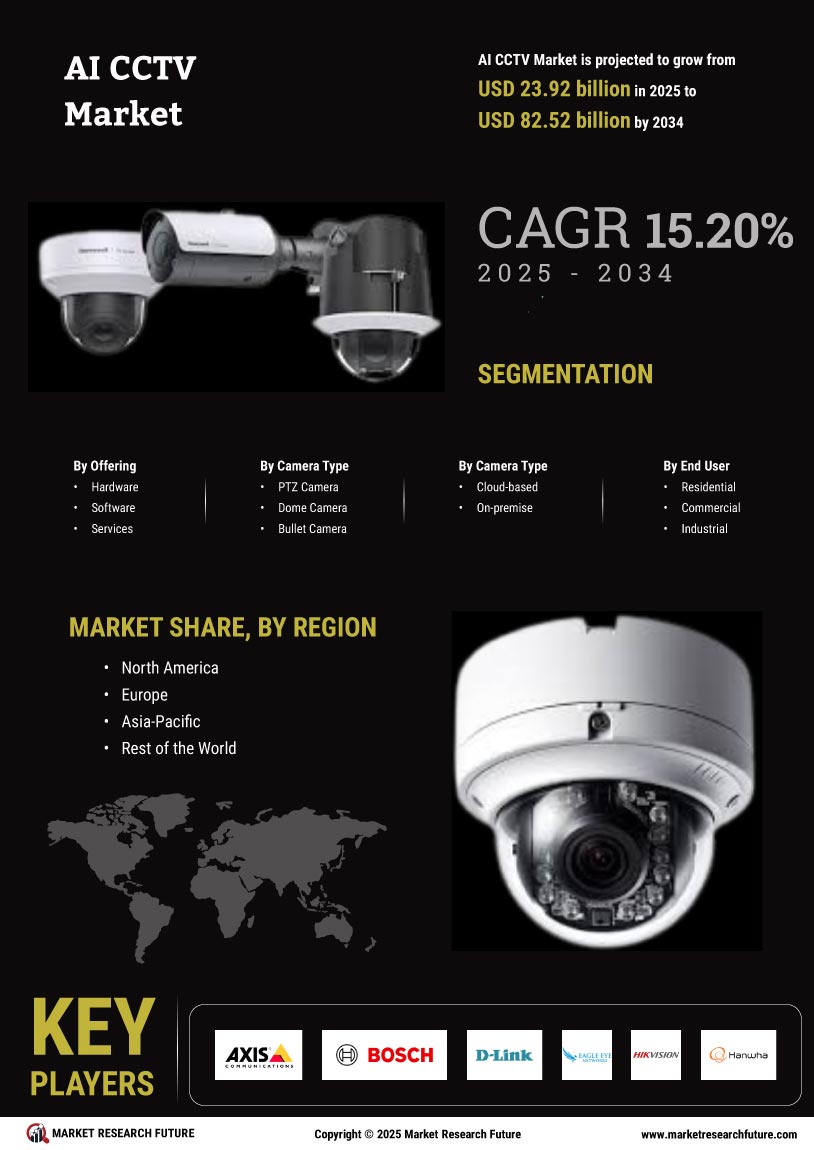
  • The AI CCTV Market is rapidly expanding as businesses, governments, and urban planners seek smarter ways to monitor and secure environments. AI-powered CCTV systems are no longer just passive recording devices—they actively analyze video feeds, detect suspicious activities, and even predict potential threats. This transformation is driven by advancements in artificial intelligence, machine learning, and deep learning, enabling surveillance systems to move from reactive to proactive security solutions. From monitoring critical infrastructure to retail stores and public spaces, AI CCTV solutions provide enhanced situational awareness, reducing risks and improving operational efficiency across various sectors.
    Modern AI CCTV systems offer numerous functionalities that go beyond traditional security. Video analytics enables the identification of patterns, behavior anomalies, and unauthorized access, allowing organizations to respond quickly and prevent incidents. Retailers can analyze customer flow, optimize store layouts, and prevent theft, while transportation authorities use AI-powered cameras to monitor traffic, detect accidents, and enhance commuter safety. For law enforcement, these systems provide critical support in criminal investigations, crowd monitoring, and emergency response, making AI CCTV a versatile solution across multiple industries.
    Integration with cloud computing and IoT devices amplifies the effectiveness of AI CCTV solutions. Cloud-based AI systems enable centralized monitoring of multiple locations, with scalable storage and real-time analytics. IoT-enabled cameras interact with other devices such as alarms, sensors, and smart traffic systems to provide comprehensive situational awareness. This ecosystem approach ensures faster response times, accurate detection, and more efficient resource management. AI CCTV systems, therefore, are not just surveillance tools—they are central to the digital transformation of security management.
    Facial recognition and behavior analysis remain central to AI CCTV capabilities. AI algorithms can accurately recognize faces even in crowded or low-light conditions, track individuals, and identify unusual patterns of behavior. License plate recognition, demographic analysis, and crowd density monitoring provide additional layers of intelligence. These features enhance operational efficiency for organizations, reduce human error, and increase the precision of threat detection. As AI models become more sophisticated, their predictive capabilities continue to improve, enabling preemptive security measures.
    The AI CCTV market is also shaped by regulatory and privacy concerns. Organizations must balance the benefits of intelligent surveillance with ethical considerations and compliance with data protection laws. Transparent policies, secure data storage, and responsible use of facial recognition are critical to maintaining public trust. At the same time, declining hardware costs, more affordable AI solutions, and improved user interfaces are enabling wider adoption among small and medium-sized enterprises, further expanding the market’s reach.
    Regionally, Asia-Pacific is emerging as a significant growth hub due to rapid urbanization, smart city initiatives, and infrastructure investments. North America leads in technological adoption and advanced analytics, while Europe benefits from strong government support and regulatory frameworks. Latin America and Africa are gradually increasing adoption, particularly in sectors such as transportation, retail, and public safety, indicating the global reach of AI CCTV solutions.
    The future of AI CCTV systems promises even more innovation. Edge computing will enable on-device video analytics, reducing latency and bandwidth usage. Enhanced AI models will allow for more accurate anomaly detection, multi-camera tracking, and seamless integration with emergency response systems. As AI technology evolves, surveillance will become smarter, more autonomous, and more effective, transforming public and private security infrastructures worldwide.
    In summary, the AI CCTV market is revolutionizing surveillance by combining AI analytics, cloud integration, and IoT connectivity. Organizations leveraging these systems benefit from improved safety, real-time monitoring, and data-driven decision-making. As adoption grows and technology advances, AI CCTV systems will play an increasingly critical role in shaping secure and intelligent environments.
    @https://www.marketresearchfuture.com/reports/ai-cctv-market-11796

    The AI CCTV Market is rapidly expanding as businesses, governments, and urban planners seek smarter ways to monitor and secure environments. AI-powered CCTV systems are no longer just passive recording devices—they actively analyze video feeds, detect suspicious activities, and even predict potential threats. This transformation is driven by advancements in artificial intelligence, machine learning, and deep learning, enabling surveillance systems to move from reactive to proactive security solutions. From monitoring critical infrastructure to retail stores and public spaces, AI CCTV solutions provide enhanced situational awareness, reducing risks and improving operational efficiency across various sectors. Modern AI CCTV systems offer numerous functionalities that go beyond traditional security. Video analytics enables the identification of patterns, behavior anomalies, and unauthorized access, allowing organizations to respond quickly and prevent incidents. Retailers can analyze customer flow, optimize store layouts, and prevent theft, while transportation authorities use AI-powered cameras to monitor traffic, detect accidents, and enhance commuter safety. For law enforcement, these systems provide critical support in criminal investigations, crowd monitoring, and emergency response, making AI CCTV a versatile solution across multiple industries. Integration with cloud computing and IoT devices amplifies the effectiveness of AI CCTV solutions. Cloud-based AI systems enable centralized monitoring of multiple locations, with scalable storage and real-time analytics. IoT-enabled cameras interact with other devices such as alarms, sensors, and smart traffic systems to provide comprehensive situational awareness. This ecosystem approach ensures faster response times, accurate detection, and more efficient resource management. AI CCTV systems, therefore, are not just surveillance tools—they are central to the digital transformation of security management. Facial recognition and behavior analysis remain central to AI CCTV capabilities. AI algorithms can accurately recognize faces even in crowded or low-light conditions, track individuals, and identify unusual patterns of behavior. License plate recognition, demographic analysis, and crowd density monitoring provide additional layers of intelligence. These features enhance operational efficiency for organizations, reduce human error, and increase the precision of threat detection. As AI models become more sophisticated, their predictive capabilities continue to improve, enabling preemptive security measures. The AI CCTV market is also shaped by regulatory and privacy concerns. Organizations must balance the benefits of intelligent surveillance with ethical considerations and compliance with data protection laws. Transparent policies, secure data storage, and responsible use of facial recognition are critical to maintaining public trust. At the same time, declining hardware costs, more affordable AI solutions, and improved user interfaces are enabling wider adoption among small and medium-sized enterprises, further expanding the market’s reach. Regionally, Asia-Pacific is emerging as a significant growth hub due to rapid urbanization, smart city initiatives, and infrastructure investments. North America leads in technological adoption and advanced analytics, while Europe benefits from strong government support and regulatory frameworks. Latin America and Africa are gradually increasing adoption, particularly in sectors such as transportation, retail, and public safety, indicating the global reach of AI CCTV solutions. The future of AI CCTV systems promises even more innovation. Edge computing will enable on-device video analytics, reducing latency and bandwidth usage. Enhanced AI models will allow for more accurate anomaly detection, multi-camera tracking, and seamless integration with emergency response systems. As AI technology evolves, surveillance will become smarter, more autonomous, and more effective, transforming public and private security infrastructures worldwide. In summary, the AI CCTV market is revolutionizing surveillance by combining AI analytics, cloud integration, and IoT connectivity. Organizations leveraging these systems benefit from improved safety, real-time monitoring, and data-driven decision-making. As adoption grows and technology advances, AI CCTV systems will play an increasingly critical role in shaping secure and intelligent environments. @https://www.marketresearchfuture.com/reports/ai-cctv-market-11796

    WWW.MARKETRESEARCHFUTURE.COM
    AI CCTV Market Size, Industry Analysis Forecast Till 2035
    AI CCTV Market is Estimated to Reach a Valuation of USD 95.08 Billion by 2035, Growing at a CAGR of 15.2% During 2025 - 2035 | Driven By Increasing Mobile Usage
    0 Reacties 0 aandelen 12 Views 0 voorbeeld
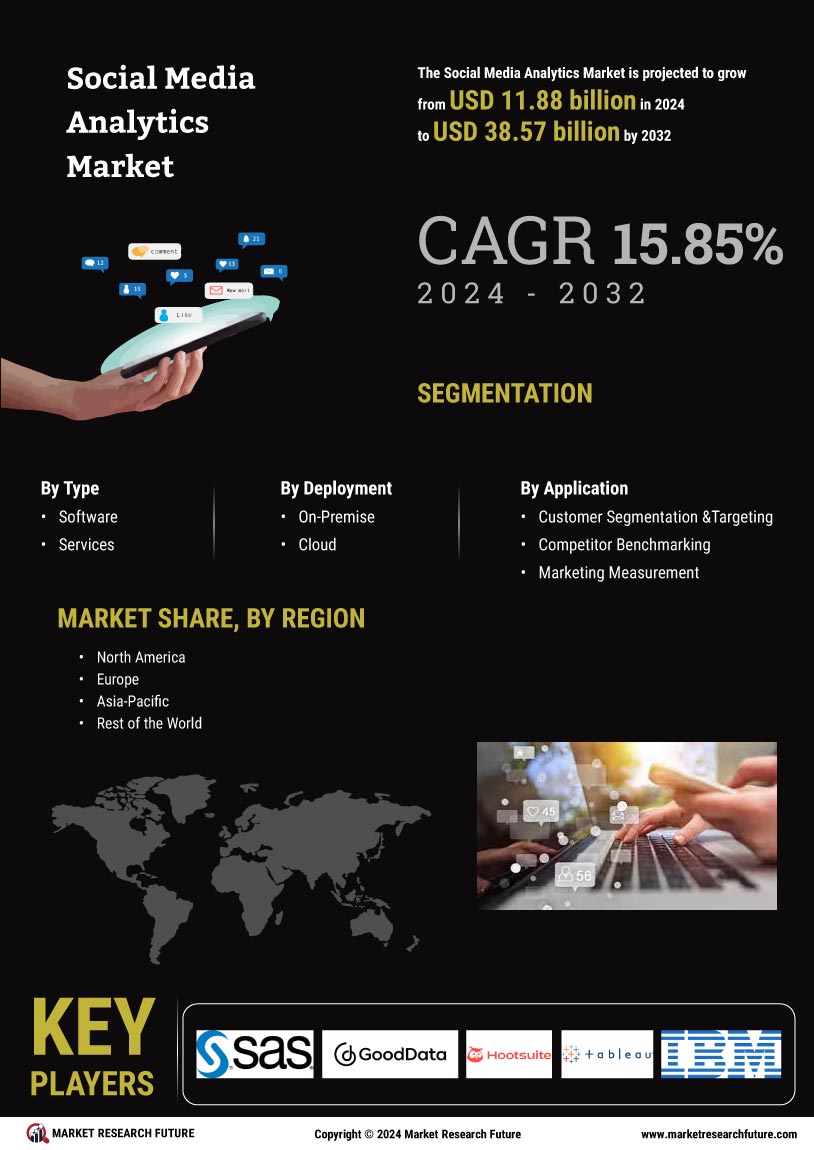
  • The Social Media Analytics Market is poised for transformative growth, driven by AI advancements, increasing digital marketing investments, and the need for real-time customer insights. Businesses across sectors are focusing on predictive analytics, influencer performance measurement, and social listening tools to stay ahead in the competitive landscape.
    Future trends indicate a shift toward more AI-driven and automated analytics solutions. Predictive models will anticipate customer behavior, optimize campaign targeting, and personalize content at scale. Real-time social listening will allow businesses to respond instantly to customer sentiment, market shifts, and emerging trends, improving engagement and brand loyalty.
    Integration of augmented analytics and visualization tools will simplify decision-making. Interactive dashboards, automated reports, and anomaly detection features will empower marketing teams to focus on strategy rather than manual data processing. The convergence of AI, cloud computing, and social media analytics will redefine marketing strategies, making data-driven decisions faster and more accurate.
    Industry-specific solutions will gain traction. Analytics platforms tailored for healthcare, retail, finance, and entertainment will provide deeper insights into sector-specific trends, consumer behavior, and regulatory requirements. Customizable dashboards, multilingual sentiment analysis, and localized insights will enhance adoption across diverse markets.
    Regional expansion will continue, with Asia-Pacific emerging as a high-growth market due to increasing social media usage, smartphone penetration, and digital marketing investments. North America and Europe will focus on technological innovation, predictive analytics, and integration with enterprise systems. Latin America, the Middle East, and Africa will experience gradual adoption driven by growing awareness of social media analytics benefits.
    Challenges such as data privacy, integration complexity, and skill shortages will persist. Organizations must adopt cloud-based solutions, AI-driven automation, and staff training to overcome these obstacles. Strategic partnerships with analytics vendors and digital agencies can accelerate adoption and improve ROI.
    In summary, the Social Media Analytics Market is set for sustained growth, driven by technological advancements, predictive analytics, and expanding regional adoption. Businesses investing in AI-powered tools, real-time insights, and industry-specific solutions will gain a competitive advantage, optimize marketing strategies, and foster stronger customer relationships, shaping the future of data-driven marketing.@https://www.marketresearchfuture.com/reports/social-media-analytics-market-3259

    The Social Media Analytics Market is poised for transformative growth, driven by AI advancements, increasing digital marketing investments, and the need for real-time customer insights. Businesses across sectors are focusing on predictive analytics, influencer performance measurement, and social listening tools to stay ahead in the competitive landscape. Future trends indicate a shift toward more AI-driven and automated analytics solutions. Predictive models will anticipate customer behavior, optimize campaign targeting, and personalize content at scale. Real-time social listening will allow businesses to respond instantly to customer sentiment, market shifts, and emerging trends, improving engagement and brand loyalty. Integration of augmented analytics and visualization tools will simplify decision-making. Interactive dashboards, automated reports, and anomaly detection features will empower marketing teams to focus on strategy rather than manual data processing. The convergence of AI, cloud computing, and social media analytics will redefine marketing strategies, making data-driven decisions faster and more accurate. Industry-specific solutions will gain traction. Analytics platforms tailored for healthcare, retail, finance, and entertainment will provide deeper insights into sector-specific trends, consumer behavior, and regulatory requirements. Customizable dashboards, multilingual sentiment analysis, and localized insights will enhance adoption across diverse markets. Regional expansion will continue, with Asia-Pacific emerging as a high-growth market due to increasing social media usage, smartphone penetration, and digital marketing investments. North America and Europe will focus on technological innovation, predictive analytics, and integration with enterprise systems. Latin America, the Middle East, and Africa will experience gradual adoption driven by growing awareness of social media analytics benefits. Challenges such as data privacy, integration complexity, and skill shortages will persist. Organizations must adopt cloud-based solutions, AI-driven automation, and staff training to overcome these obstacles. Strategic partnerships with analytics vendors and digital agencies can accelerate adoption and improve ROI. In summary, the Social Media Analytics Market is set for sustained growth, driven by technological advancements, predictive analytics, and expanding regional adoption. Businesses investing in AI-powered tools, real-time insights, and industry-specific solutions will gain a competitive advantage, optimize marketing strategies, and foster stronger customer relationships, shaping the future of data-driven marketing.@https://www.marketresearchfuture.com/reports/social-media-analytics-market-3259
    WWW.MARKETRESEARCHFUTURE.COM
    Social Media Analytics Market Research Report- Forecast 2035
    Social Media Analytics Market is likely to Reach USD 59.95 Billion By 2035, Growing at a CAGR of 15.85% During the Forecast Period 2025 - 2035 | Strengthens Industry Growth
    0 Reacties 0 aandelen 11 Views 0 voorbeeld
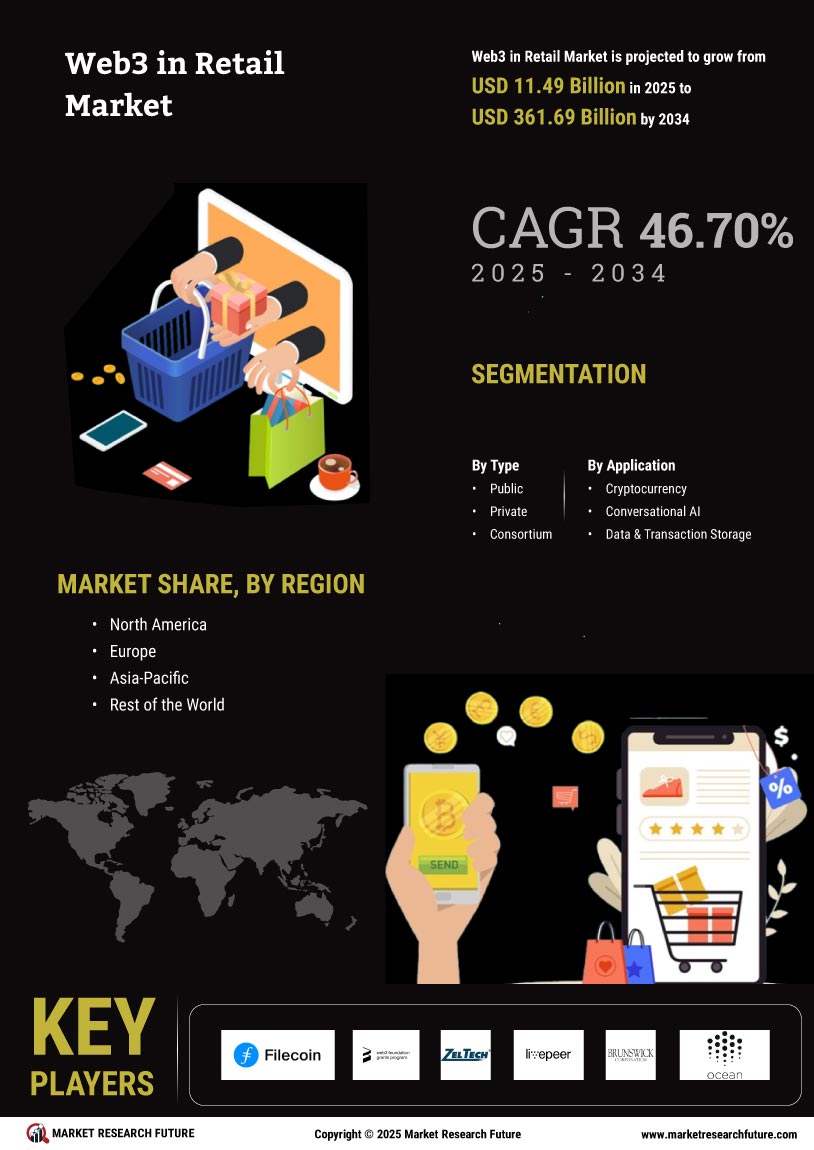
  • The Web3 in Retail Market is accelerating the growth of virtual stores as metaverse commerce becomes a key part of modern retail. Retailers are no longer limited to physical outlets or traditional e-commerce websites. With Web3 technology, brands can build immersive virtual environments where customers interact with products, purchase digital goods, and engage in unique shopping experiences. This evolution is creating a new retail landscape where virtual and physical commerce merge.
    Virtual stores in the metaverse provide interactive shopping experiences that traditional e-commerce cannot replicate. Customers can explore digital storefronts, view products in 3D, and try on virtual clothing through avatars. Retailers can design creative store layouts, host events, and offer digital experiences that enhance brand engagement. This helps retailers stand out in a competitive digital market.
    NFTs play a major role in metaverse retail. Brands can sell digital collectibles, virtual fashion items, and NFT-based products that customers can use across metaverse platforms. Virtual clothing and accessories are becoming a growing market segment, particularly among younger consumers. Some retailers also offer NFT-linked physical products, allowing customers to buy an item in the metaverse and redeem it in the real world.
    Web3 technology also enables decentralized payments within virtual stores. Customers can purchase products using cryptocurrencies or stablecoins, creating seamless cross-border shopping. This removes the need for currency conversion and allows retailers to reach global audiences. Virtual stores can operate 24/7 without geographical limitations, expanding business opportunities.
    Metaverse retail also strengthens customer engagement through interactive events. Retailers can host digital product launches, fashion shows, concerts, and influencer collaborations. These events attract large audiences and create viral marketing opportunities. Customers who attend can receive NFT rewards or exclusive access passes, increasing participation and loyalty.
    Another advantage is data-driven customization. Retailers can track customer interactions within virtual stores, such as browsing behavior and product engagement. This data helps brands optimize store layouts, improve product recommendations, and deliver targeted promotions. Unlike traditional data collection, Web3 models may allow consumers to control their information, ensuring privacy-friendly personalization.
    Despite its growth, metaverse retail still faces adoption barriers. Many consumers lack access to VR equipment or familiarity with virtual shopping platforms. Retailers must ensure accessibility through mobile and web-based metaverse environments. Another challenge is platform fragmentation, as multiple metaverse ecosystems exist, requiring brands to adapt strategies across different environments.
    @https://www.marketresearchfuture.com/reports/web3-in-retail-market-12246
    The Web3 in Retail Market is accelerating the growth of virtual stores as metaverse commerce becomes a key part of modern retail. Retailers are no longer limited to physical outlets or traditional e-commerce websites. With Web3 technology, brands can build immersive virtual environments where customers interact with products, purchase digital goods, and engage in unique shopping experiences. This evolution is creating a new retail landscape where virtual and physical commerce merge. Virtual stores in the metaverse provide interactive shopping experiences that traditional e-commerce cannot replicate. Customers can explore digital storefronts, view products in 3D, and try on virtual clothing through avatars. Retailers can design creative store layouts, host events, and offer digital experiences that enhance brand engagement. This helps retailers stand out in a competitive digital market. NFTs play a major role in metaverse retail. Brands can sell digital collectibles, virtual fashion items, and NFT-based products that customers can use across metaverse platforms. Virtual clothing and accessories are becoming a growing market segment, particularly among younger consumers. Some retailers also offer NFT-linked physical products, allowing customers to buy an item in the metaverse and redeem it in the real world. Web3 technology also enables decentralized payments within virtual stores. Customers can purchase products using cryptocurrencies or stablecoins, creating seamless cross-border shopping. This removes the need for currency conversion and allows retailers to reach global audiences. Virtual stores can operate 24/7 without geographical limitations, expanding business opportunities. Metaverse retail also strengthens customer engagement through interactive events. Retailers can host digital product launches, fashion shows, concerts, and influencer collaborations. These events attract large audiences and create viral marketing opportunities. Customers who attend can receive NFT rewards or exclusive access passes, increasing participation and loyalty. Another advantage is data-driven customization. Retailers can track customer interactions within virtual stores, such as browsing behavior and product engagement. This data helps brands optimize store layouts, improve product recommendations, and deliver targeted promotions. Unlike traditional data collection, Web3 models may allow consumers to control their information, ensuring privacy-friendly personalization. Despite its growth, metaverse retail still faces adoption barriers. Many consumers lack access to VR equipment or familiarity with virtual shopping platforms. Retailers must ensure accessibility through mobile and web-based metaverse environments. Another challenge is platform fragmentation, as multiple metaverse ecosystems exist, requiring brands to adapt strategies across different environments. @https://www.marketresearchfuture.com/reports/web3-in-retail-market-12246
    WWW.MARKETRESEARCHFUTURE.COM
    Web3 in Retail Market Size, Global Report Forecast Till 2035
    Web3 in Retail Market is Expected to Reach a Valuation of $ 530.61B by 2035, Growing at a CAGR of 46.7% During 2025 - 2035 | Decentralized Finance Integration
    0 Reacties 0 aandelen 11 Views 0 voorbeeld