• https://www.databridgemarketresearch.com/reports/global-holograms-market
    https://www.databridgemarketresearch.com/reports/global-holograms-market
    Holograms Market Size, Share, and Trends Analysis 2032
    The global Holograms market size was estimated at USD 3.50 Billion in 2024 and is estimated to grow at a CAGR of 28.36% from 2025 to 2032.
    0 Commentarii 0 Distribuiri 142 Views 0 previzualizare
  • https://www.databridgemarketresearch.com/reports/global-holographic-display-market
    https://www.databridgemarketresearch.com/reports/global-holographic-display-market
    Holographic Display Market Size, Share, and Trends Analysis 2030
    The global Holographic Display market size was estimated at USD 6,108.70 Million in 2022 and is estimated to grow at a CAGR of 30.7% from 2023 to 2030.
    0 Commentarii 0 Distribuiri 130 Views 0 previzualizare
  • https://www.databridgemarketresearch.com/reports/global-house-dust-mite-allergy-treatment-market
    https://www.databridgemarketresearch.com/reports/global-house-dust-mite-allergy-treatment-market
    House Dust Mite Allergy Market Size, Trends, Growth Report 2030
    The Global House Dust Mite Allergy Market was valued at USD 1.88 Billion in 2022 and is expected to reach USD 5.00 Billion by 2030, growing at a CAGR of 13% (2023-2030).
    0 Commentarii 0 Distribuiri 132 Views 0 previzualizare
  • https://www.databridgemarketresearch.com/reports/global-hydroponic-growth-medium-and-nutrients-market
    https://www.databridgemarketresearch.com/reports/global-hydroponic-growth-medium-and-nutrients-market
    Hydroponic Growth Medium and Nutrients Market Size, Share, and Industry Report 2029
    The Hydroponic Growth Medium and Nutrients market is driven by the growing demand from 2021 to 2029. Analyze Emerging Trends, Market Breakdown, and Top Competitors with DBMR Insights.
    0 Commentarii 0 Distribuiri 124 Views 0 previzualizare
  • https://www.databridgemarketresearch.com/reports/global-hydropower-turbine-market
    https://www.databridgemarketresearch.com/reports/global-hydropower-turbine-market
    Hydropower Turbine Market Size, Share, Forecast to 2029
    Hydropower Turbine Market to account USD 1,450.00 Million in 2021 growing at a CAGR of 8.6% in the forecast period of 2022 - 2029.
    0 Commentarii 0 Distribuiri 125 Views 0 previzualizare
  • https://www.databridgemarketresearch.com/reports/global-ice-lollies-market
    https://www.databridgemarketresearch.com/reports/global-ice-lollies-market
    Ice Lollies Market – Global Market Size, Share, and Trends Analysis Report – Industry Overview and Forecast to 2032 | Data Bridge Market Research
    The Ice Lollies market was valued at USD 76.82 Billion in 2024 and is expected to reach USD 107.50 Billion by 2032, growing at a CAGR of 6.95% (2024-2032). Get insights on trends, segmentation, and key players with Data Bridge Market Research Reports.
    0 Commentarii 0 Distribuiri 141 Views 0 previzualizare
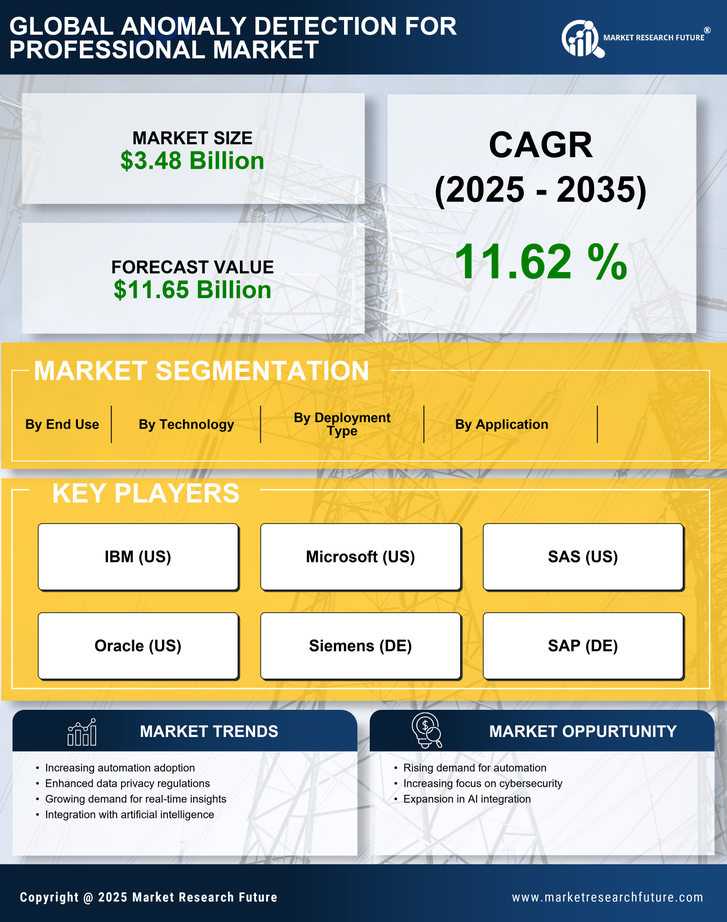
  • The Anomaly Detection For Professional Market is expected to witness continuous growth as artificial intelligence and real-time monitoring become essential tools for modern professional industries. Organizations today operate in highly competitive environments where operational disruptions, fraud incidents, and cybersecurity breaches can lead to significant financial and reputational losses. Anomaly detection solutions provide professionals with advanced tools that identify unusual patterns in large datasets, enabling proactive decision-making. As industries continue investing in automation, cloud computing, and big data analytics, anomaly detection is becoming a vital component of business intelligence strategies.
    Artificial intelligence is transforming anomaly detection capabilities by improving accuracy and predictive performance. Traditional anomaly detection methods relied on statistical analysis and predefined thresholds, which often produced limited results. Modern AI-driven anomaly detection systems use machine learning algorithms to continuously learn from data patterns and adapt over time. This allows professionals to detect anomalies that may not be obvious through traditional monitoring. Deep learning models are also being used to analyze complex datasets, including images, videos, and unstructured data, expanding anomaly detection applications beyond standard transaction monitoring.
    One of the most significant market drivers is the growing demand for real-time monitoring. Businesses operate in environments where delays in detection can cause major losses. For example, in cybersecurity, even a few minutes of delay in identifying suspicious activity can lead to severe damage. Anomaly detection solutions provide instant alerts, allowing professionals to respond quickly and reduce risk exposure. In manufacturing, real-time detection of machine performance irregularities can prevent production downtime. In finance, detecting unusual transaction activity instantly helps prevent fraud and improves customer trust.
    Cloud adoption is another major factor influencing market growth. Organizations are migrating to cloud platforms because of scalability and flexibility. However, cloud environments generate complex datasets that require continuous monitoring. Anomaly detection solutions help IT professionals track cloud workloads, network traffic, and system performance. If unusual traffic spikes or performance drops occur, professionals can take action before services fail. Cloud-based anomaly detection also offers cost efficiency, as businesses can access advanced monitoring tools without large infrastructure investments.
    @https://www.marketresearchfuture.com/reports/anomaly-detection-for-professional-market-35312
    The Anomaly Detection For Professional Market is expected to witness continuous growth as artificial intelligence and real-time monitoring become essential tools for modern professional industries. Organizations today operate in highly competitive environments where operational disruptions, fraud incidents, and cybersecurity breaches can lead to significant financial and reputational losses. Anomaly detection solutions provide professionals with advanced tools that identify unusual patterns in large datasets, enabling proactive decision-making. As industries continue investing in automation, cloud computing, and big data analytics, anomaly detection is becoming a vital component of business intelligence strategies. Artificial intelligence is transforming anomaly detection capabilities by improving accuracy and predictive performance. Traditional anomaly detection methods relied on statistical analysis and predefined thresholds, which often produced limited results. Modern AI-driven anomaly detection systems use machine learning algorithms to continuously learn from data patterns and adapt over time. This allows professionals to detect anomalies that may not be obvious through traditional monitoring. Deep learning models are also being used to analyze complex datasets, including images, videos, and unstructured data, expanding anomaly detection applications beyond standard transaction monitoring. One of the most significant market drivers is the growing demand for real-time monitoring. Businesses operate in environments where delays in detection can cause major losses. For example, in cybersecurity, even a few minutes of delay in identifying suspicious activity can lead to severe damage. Anomaly detection solutions provide instant alerts, allowing professionals to respond quickly and reduce risk exposure. In manufacturing, real-time detection of machine performance irregularities can prevent production downtime. In finance, detecting unusual transaction activity instantly helps prevent fraud and improves customer trust. Cloud adoption is another major factor influencing market growth. Organizations are migrating to cloud platforms because of scalability and flexibility. However, cloud environments generate complex datasets that require continuous monitoring. Anomaly detection solutions help IT professionals track cloud workloads, network traffic, and system performance. If unusual traffic spikes or performance drops occur, professionals can take action before services fail. Cloud-based anomaly detection also offers cost efficiency, as businesses can access advanced monitoring tools without large infrastructure investments. @https://www.marketresearchfuture.com/reports/anomaly-detection-for-professional-market-35312
    WWW.MARKETRESEARCHFUTURE.COM
    Anomaly Detection For Professional Market Growth Report 2035
    Anomaly Detection For Professional Market Is Projected To Reach USD 11.65 Billion By 2035, Growing at a CAGR of 11.62% During 2025 - 2035 | Fuels Industry Growth trend
    0 Commentarii 0 Distribuiri 168 Views 0 previzualizare
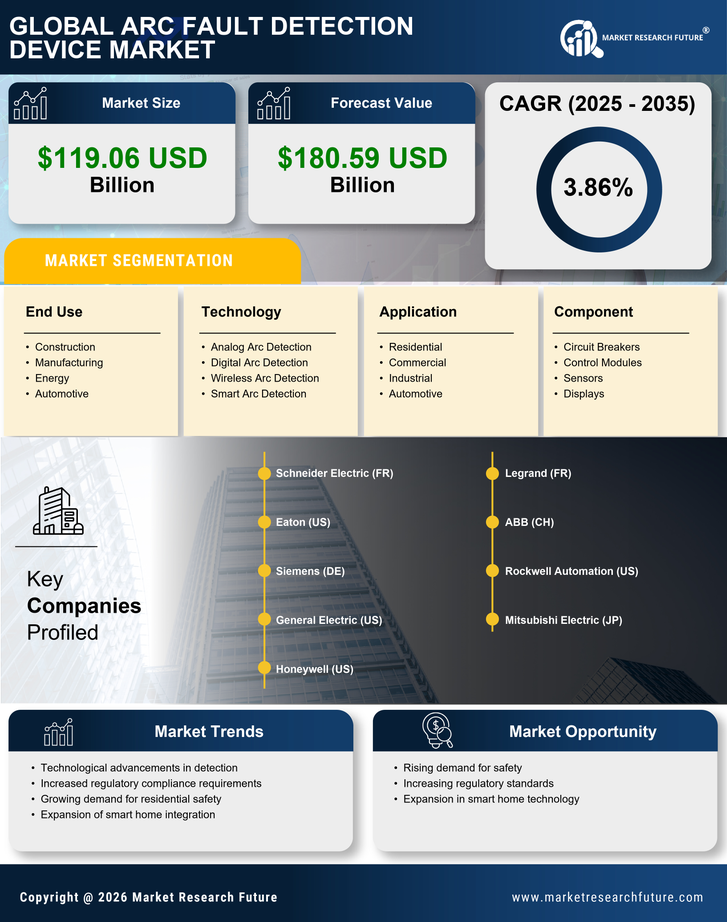
  • The Arc Fault Detection Device Market is emerging as one of the most crucial segments of the electrical safety industry due to the increasing focus on modern power distribution systems. Electrical arcs are unpredictable and can occur due to damaged insulation, loose connections, or worn-out wiring. If left undetected, these arcs may cause overheating, equipment damage, and severe electrical fires. Arc fault detection devices are designed to monitor electrical current patterns and quickly identify dangerous arc faults. With the growing dependence on electricity across residential, commercial, and industrial sectors, the need for advanced protection systems has become a priority, strengthening market demand globally.
    A key market driver is the expansion of smart infrastructure projects worldwide. Governments and private developers are investing heavily in smart cities, smart grids, and intelligent building systems. Arc fault detection devices align perfectly with these initiatives because they can be integrated into automated electrical networks. Modern devices can send alerts, provide fault data, and support real-time monitoring, enabling quick preventive action. This feature is becoming highly valuable for commercial and industrial buildings where electrical safety is directly linked to operational efficiency.
    The growing adoption of electric vehicles is also contributing to the market’s growth. EV charging infrastructure requires robust electrical protection because high-voltage charging systems are more prone to faults and overheating risks. Arc fault detection devices are increasingly being installed in EV charging stations to prevent accidents and maintain stable power flow. As EV adoption rises globally, the need for safe and efficient charging infrastructure is expected to generate significant demand for arc fault detection devices.
    Another major growth factor is the modernization of aging electrical infrastructure. In many developed countries, old residential buildings and industrial plants have outdated wiring systems that increase the risk of arc faults. Upgrading these infrastructures with arc fault detection technology is becoming common, particularly in regions with strict safety laws. Retrofitting older buildings with advanced electrical protection devices is expected to create strong market opportunities for manufacturers.
    The industrial segment remains a strong contributor to the market. Industries such as oil & gas, chemical processing, mining, and heavy manufacturing deal with high electrical loads and complex wiring networks. Even minor electrical faults in these sectors can lead to major disruptions, equipment failure, and safety hazards. Arc fault detection devices help reduce these risks by quickly detecting abnormal current behavior and disconnecting the circuit before damage occurs. This makes them essential for industrial safety compliance and operational reliability.
    Technological innovation is reshaping the competitive landscape. Manufacturers are introducing arc fault detection devices with advanced digital features, such as self-testing mechanisms, improved fault discrimination, and enhanced sensitivity. Some products now include wireless connectivity and cloud-based monitoring, allowing remote access to electrical fault data. These innovations are making arc fault detection devices more effective and attractive for modern applications.
    @https://www.marketresearchfuture.com/reports/arc-fault-detection-device-market-35323
    The Arc Fault Detection Device Market is emerging as one of the most crucial segments of the electrical safety industry due to the increasing focus on modern power distribution systems. Electrical arcs are unpredictable and can occur due to damaged insulation, loose connections, or worn-out wiring. If left undetected, these arcs may cause overheating, equipment damage, and severe electrical fires. Arc fault detection devices are designed to monitor electrical current patterns and quickly identify dangerous arc faults. With the growing dependence on electricity across residential, commercial, and industrial sectors, the need for advanced protection systems has become a priority, strengthening market demand globally. A key market driver is the expansion of smart infrastructure projects worldwide. Governments and private developers are investing heavily in smart cities, smart grids, and intelligent building systems. Arc fault detection devices align perfectly with these initiatives because they can be integrated into automated electrical networks. Modern devices can send alerts, provide fault data, and support real-time monitoring, enabling quick preventive action. This feature is becoming highly valuable for commercial and industrial buildings where electrical safety is directly linked to operational efficiency. The growing adoption of electric vehicles is also contributing to the market’s growth. EV charging infrastructure requires robust electrical protection because high-voltage charging systems are more prone to faults and overheating risks. Arc fault detection devices are increasingly being installed in EV charging stations to prevent accidents and maintain stable power flow. As EV adoption rises globally, the need for safe and efficient charging infrastructure is expected to generate significant demand for arc fault detection devices. Another major growth factor is the modernization of aging electrical infrastructure. In many developed countries, old residential buildings and industrial plants have outdated wiring systems that increase the risk of arc faults. Upgrading these infrastructures with arc fault detection technology is becoming common, particularly in regions with strict safety laws. Retrofitting older buildings with advanced electrical protection devices is expected to create strong market opportunities for manufacturers. The industrial segment remains a strong contributor to the market. Industries such as oil & gas, chemical processing, mining, and heavy manufacturing deal with high electrical loads and complex wiring networks. Even minor electrical faults in these sectors can lead to major disruptions, equipment failure, and safety hazards. Arc fault detection devices help reduce these risks by quickly detecting abnormal current behavior and disconnecting the circuit before damage occurs. This makes them essential for industrial safety compliance and operational reliability. Technological innovation is reshaping the competitive landscape. Manufacturers are introducing arc fault detection devices with advanced digital features, such as self-testing mechanisms, improved fault discrimination, and enhanced sensitivity. Some products now include wireless connectivity and cloud-based monitoring, allowing remote access to electrical fault data. These innovations are making arc fault detection devices more effective and attractive for modern applications. @https://www.marketresearchfuture.com/reports/arc-fault-detection-device-market-35323
    WWW.MARKETRESEARCHFUTURE.COM
    Arc Fault Detection Device Market Size, Share, Trends | 2035
    Arc Fault Detection Device Market is Reaching at a CAGR of 3.86%, Projected To Grow a Valuation of USD 180.59 Billion During 2025 - 2035 | Remote Work Trends
    0 Commentarii 0 Distribuiri 160 Views 0 previzualizare
  • The It Financial Management (ITFM) Tool Market is witnessing rapid adoption across various regions, driven by organizations’ need to optimize IT spending, enhance financial transparency, and align IT budgets with strategic business goals. As enterprises continue to invest in digital transformation initiatives, the demand for ITFM tools that provide granular visibility into IT costs, automate financial processes, and integrate with existing ERP and ITSM systems has grown substantially. The market’s growth trajectory is closely tied to regional technology maturity, regulatory frameworks, and the pace of cloud adoption, making a regional analysis critical to understanding opportunities and challenges in this evolving market.
    North America continues to dominate the ITFM tool market, accounting for a significant share of global revenues. This leadership is fueled by the presence of mature IT infrastructure, early adoption of advanced financial management solutions, and the concentration of major ITFM vendors in the United States and Canada. Organizations in this region are increasingly deploying AI-enabled ITFM solutions for predictive analytics, automated cost allocation, and resource optimization. Furthermore, regulatory compliance requirements and the need for detailed financial reporting drive enterprises to adopt tools that can manage both CapEx and OpEx efficiently. Large enterprises in sectors such as banking, healthcare, and technology are the primary adopters, with cloud-based deployments gaining traction due to flexibility, scalability, and cost efficiency.
    Europe represents a highly strategic market for ITFM solutions, driven by stringent financial governance regulations and a strong emphasis on digitalization across industries. Countries such as the United Kingdom, Germany, and France are early adopters of IT financial management technologies, leveraging them to optimize complex IT budgets and ensure compliance with local reporting standards. Enterprises in Europe are increasingly integrating ITFM solutions with ITSM and ERP platforms to streamline financial planning, asset management, and service cost allocation. The adoption is further accelerated by the rise of cloud-based offerings, which reduce upfront investment and enable organizations to scale their IT financial management capabilities in line with business growth.
    The Asia-Pacific (APAC) region is emerging as a high-growth market for ITFM tools. Rapid economic development, increasing IT investments, and a growing SME sector are fueling demand for cost-efficient and scalable IT financial management solutions. Countries such as India, China, Japan, and Australia are investing heavily in digital infrastructure and cloud services, creating a favorable environment for ITFM adoption. Enterprises in APAC are increasingly looking for solutions that offer real-time insights into IT expenditure, enable effective budget allocation, and support cost optimization strategies. The region’s growth is also supported by rising awareness of IT governance best practices and the need to enhance financial transparency across large and mid-sized organizations.
    @https://www.marketresearchfuture.com/reports/it-financial-management-tool-market-40398

    The It Financial Management (ITFM) Tool Market is witnessing rapid adoption across various regions, driven by organizations’ need to optimize IT spending, enhance financial transparency, and align IT budgets with strategic business goals. As enterprises continue to invest in digital transformation initiatives, the demand for ITFM tools that provide granular visibility into IT costs, automate financial processes, and integrate with existing ERP and ITSM systems has grown substantially. The market’s growth trajectory is closely tied to regional technology maturity, regulatory frameworks, and the pace of cloud adoption, making a regional analysis critical to understanding opportunities and challenges in this evolving market. North America continues to dominate the ITFM tool market, accounting for a significant share of global revenues. This leadership is fueled by the presence of mature IT infrastructure, early adoption of advanced financial management solutions, and the concentration of major ITFM vendors in the United States and Canada. Organizations in this region are increasingly deploying AI-enabled ITFM solutions for predictive analytics, automated cost allocation, and resource optimization. Furthermore, regulatory compliance requirements and the need for detailed financial reporting drive enterprises to adopt tools that can manage both CapEx and OpEx efficiently. Large enterprises in sectors such as banking, healthcare, and technology are the primary adopters, with cloud-based deployments gaining traction due to flexibility, scalability, and cost efficiency. Europe represents a highly strategic market for ITFM solutions, driven by stringent financial governance regulations and a strong emphasis on digitalization across industries. Countries such as the United Kingdom, Germany, and France are early adopters of IT financial management technologies, leveraging them to optimize complex IT budgets and ensure compliance with local reporting standards. Enterprises in Europe are increasingly integrating ITFM solutions with ITSM and ERP platforms to streamline financial planning, asset management, and service cost allocation. The adoption is further accelerated by the rise of cloud-based offerings, which reduce upfront investment and enable organizations to scale their IT financial management capabilities in line with business growth. The Asia-Pacific (APAC) region is emerging as a high-growth market for ITFM tools. Rapid economic development, increasing IT investments, and a growing SME sector are fueling demand for cost-efficient and scalable IT financial management solutions. Countries such as India, China, Japan, and Australia are investing heavily in digital infrastructure and cloud services, creating a favorable environment for ITFM adoption. Enterprises in APAC are increasingly looking for solutions that offer real-time insights into IT expenditure, enable effective budget allocation, and support cost optimization strategies. The region’s growth is also supported by rising awareness of IT governance best practices and the need to enhance financial transparency across large and mid-sized organizations. @https://www.marketresearchfuture.com/reports/it-financial-management-tool-market-40398

    WWW.MARKETRESEARCHFUTURE.COM
    IT Financial Management (ITFM) Tool Market Size, Share | 2035
    It Financial Management (Itfm) Tool Market is Expected to Reach USD 13.86 Billion by 2035, Growing at a CAGR of 10.65% During 2025 - 2035 | Cost Optimization
    0 Commentarii 0 Distribuiri 164 Views 0 previzualizare
  • https://www.databridgemarketresearch.com/reports/global-methane-hydrate-extraction-market
    https://www.databridgemarketresearch.com/reports/global-methane-hydrate-extraction-market
    Methane Hydrate Extraction Market Size & Share | Industry Growth 2032
    Methane Hydrate Extraction Market recorded a value of USD 51.80 Billion in 2024 and is likely to attain USD 86.37 Billion by 2032, increasing at a CAGR of 6.6% (2025–2032).
    0 Commentarii 0 Distribuiri 135 Views 0 previzualizare