• Operating Costs: A Complete Guide for Small Business Owners

    Operating costs are a crucial factor that results in increased profitability for small businesses. Managing it well results in good cash flow

    Do you know about the common aims of all small business owners and startup owners? More than anything, it’s the wish of everybody. It’s none other than obtaining maximum profits in the business. This wish can be easily obtained by becoming an expert in a single factor, specifically managing operational costs. Understanding the details and strategy behind these operational costs benefits the business in numerous ways.

    For more information, click here
    https://www.invoicetemple.com

    #online invoicing software #inventory management software #proforma invoices
    Operating Costs: A Complete Guide for Small Business Owners Operating costs are a crucial factor that results in increased profitability for small businesses. Managing it well results in good cash flow Do you know about the common aims of all small business owners and startup owners? More than anything, it’s the wish of everybody. It’s none other than obtaining maximum profits in the business. This wish can be easily obtained by becoming an expert in a single factor, specifically managing operational costs. Understanding the details and strategy behind these operational costs benefits the business in numerous ways. For more information, click here https://www.invoicetemple.com #online invoicing software #inventory management software #proforma invoices
    0 التعليقات 0 المشاركات 3 مشاهدة 0 معاينة
  • The Generative AI in Coding Market is rapidly gaining traction as businesses across industries seek to leverage AI for improved software development efficiency. Generative AI tools provide intelligent coding suggestions, automate repetitive tasks, and ensure higher code accuracy. From fintech to healthcare, these solutions enable faster development of applications, secure coding practices, and seamless integration with existing software frameworks.
    In the fintech industry, generative AI is revolutionizing how developers build and maintain financial applications. AI-driven code generation ensures adherence to regulatory standards while optimizing performance for complex financial algorithms. Similarly, in healthcare, AI tools assist in developing applications that handle sensitive patient data securely, generate robust backend systems, and streamline medical software workflows. Retail and e-commerce platforms also benefit by integrating AI-powered code solutions that support real-time updates, inventory management, and personalized user experiences.
    Generative AI’s ability to analyze vast codebases and suggest contextually accurate code snippets enhances team productivity. Developers can focus more on creative problem-solving and system architecture rather than routine coding. Cloud-based AI coding platforms further facilitate remote collaboration, allowing teams to co-develop software efficiently regardless of geographic location.
    Furthermore, large organizations are increasingly integrating generative AI into DevOps pipelines. Automated testing, code refactoring, and bug prediction reduce downtime and accelerate deployment cycles. Open-source projects also benefit as contributors use AI to ensure code consistency and maintain project quality standards. This trend is expected to significantly boost market adoption in the near future.
    Challenges in the market include data privacy issues and ensuring AI-generated code meets industry compliance standards. Customizable AI models tailored to specific organizational needs are emerging as a solution, enabling businesses to harness AI capabilities while mitigating risks.
    Overall, the Generative AI in Coding Market is shaping the future of software development across multiple sectors. By automating coding tasks, improving accuracy, and enhancing team efficiency, AI-powered solutions are poised to redefine the way software is created, maintained, and scaled globally.
    @https://www.marketresearchfuture.com/reports/generative-ai-in-coding-market-31930
    The Generative AI in Coding Market is rapidly gaining traction as businesses across industries seek to leverage AI for improved software development efficiency. Generative AI tools provide intelligent coding suggestions, automate repetitive tasks, and ensure higher code accuracy. From fintech to healthcare, these solutions enable faster development of applications, secure coding practices, and seamless integration with existing software frameworks. In the fintech industry, generative AI is revolutionizing how developers build and maintain financial applications. AI-driven code generation ensures adherence to regulatory standards while optimizing performance for complex financial algorithms. Similarly, in healthcare, AI tools assist in developing applications that handle sensitive patient data securely, generate robust backend systems, and streamline medical software workflows. Retail and e-commerce platforms also benefit by integrating AI-powered code solutions that support real-time updates, inventory management, and personalized user experiences. Generative AI’s ability to analyze vast codebases and suggest contextually accurate code snippets enhances team productivity. Developers can focus more on creative problem-solving and system architecture rather than routine coding. Cloud-based AI coding platforms further facilitate remote collaboration, allowing teams to co-develop software efficiently regardless of geographic location. Furthermore, large organizations are increasingly integrating generative AI into DevOps pipelines. Automated testing, code refactoring, and bug prediction reduce downtime and accelerate deployment cycles. Open-source projects also benefit as contributors use AI to ensure code consistency and maintain project quality standards. This trend is expected to significantly boost market adoption in the near future. Challenges in the market include data privacy issues and ensuring AI-generated code meets industry compliance standards. Customizable AI models tailored to specific organizational needs are emerging as a solution, enabling businesses to harness AI capabilities while mitigating risks. Overall, the Generative AI in Coding Market is shaping the future of software development across multiple sectors. By automating coding tasks, improving accuracy, and enhancing team efficiency, AI-powered solutions are poised to redefine the way software is created, maintained, and scaled globally. @https://www.marketresearchfuture.com/reports/generative-ai-in-coding-market-31930
    WWW.MARKETRESEARCHFUTURE.COM
    Generative AI in Coding Market Size, Growth Report | 2035
    Generative Ai In Coding Market Is Projected To Reach USD 81.12 Billion by 2035, Growing at a CAGR of 32.25% During 2025 - 2035 | Enhanced Risk Management Needs
    0 التعليقات 0 المشاركات 191 مشاهدة 0 معاينة
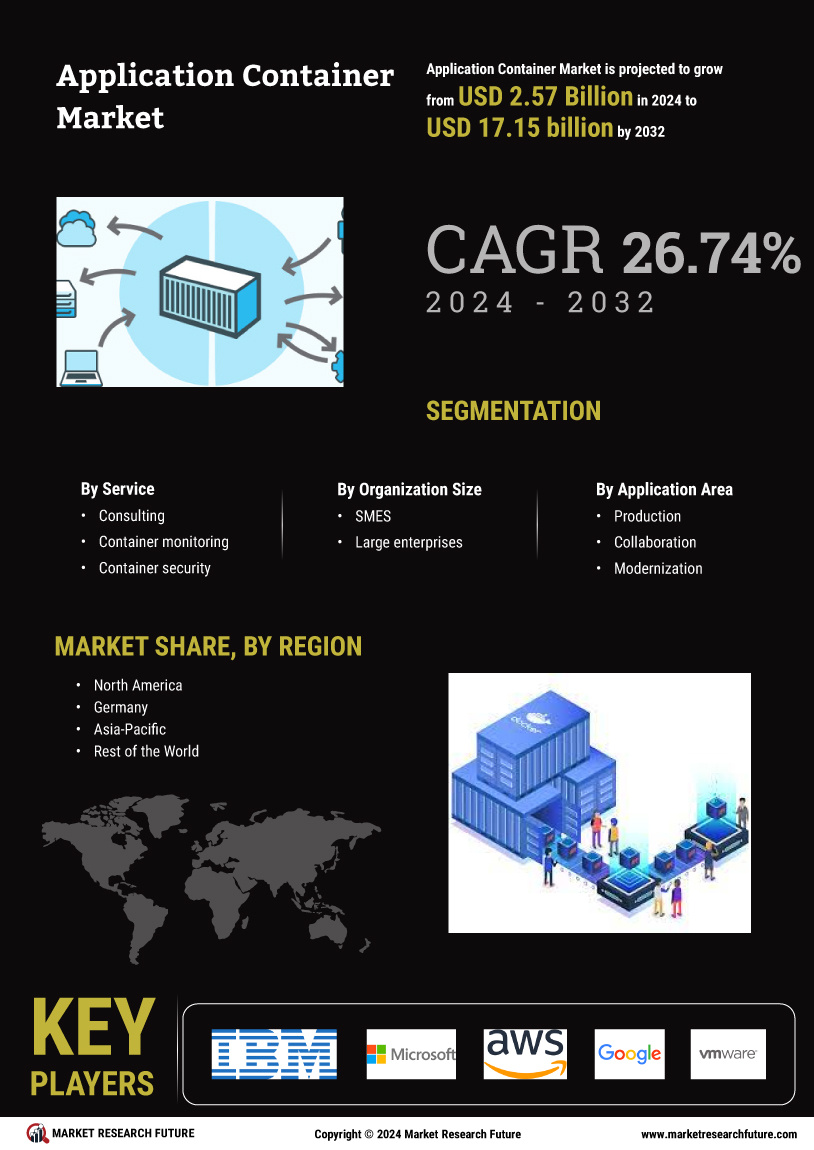
  • The Application Container Market is expanding rapidly due to rising demand for cloud-native applications, DevOps integration, and scalable IT infrastructure. Application containers have become an essential technology for enterprises seeking faster software deployment and improved workload management. The market is segmented based on component type, deployment model, organization size, and end-use industry. Each segment plays a significant role in shaping overall market dynamics. As enterprises continue to modernize legacy applications, containers are increasingly being adopted as a preferred solution for application development and deployment.
    Based on component type, the market is generally divided into platforms and services. Container platforms include container runtime environments, orchestration tools, and container management solutions. These platforms help enterprises deploy and manage containerized applications at scale. Container services include consulting, integration, training, and support services that assist organizations in successfully adopting container technology. Many enterprises require professional services to migrate from traditional IT infrastructure to container-based platforms. The growing complexity of container deployment and the need for security and monitoring have increased the demand for container-related services, making this segment a major contributor to overall market revenue.
    Deployment model segmentation includes on-premise, cloud-based, and hybrid deployments. Cloud-based container deployment is gaining the highest adoption due to its scalability and cost-effectiveness. Enterprises are shifting workloads to cloud environments, using managed container services to simplify operations. However, on-premise deployment remains relevant for industries such as government, healthcare, and financial services where data security and compliance are critical. Hybrid deployment models are also increasing in popularity because they allow organizations to combine the benefits of cloud scalability with on-premise control. This trend is expected to grow significantly as enterprises adopt multi-cloud and hybrid IT strategies.
    The market is further segmented by organization size into small and medium enterprises (SMEs) and large enterprises. Large enterprises are leading container adoption due to their greater IT budgets and need for scalable solutions. They often deploy containers to manage complex workloads across global operations. However, SMEs are increasingly adopting container technology because of its ability to reduce infrastructure costs and simplify software deployment. Cloud-based container services have made container adoption easier for SMEs by providing cost-effective subscription models. As digital transformation accelerates across smaller businesses, SME adoption is expected to rise significantly in the coming years.
    Industry-wise segmentation includes IT and telecom, BFSI, healthcare, retail, manufacturing, media and entertainment, and government. The IT and telecom sector dominates the market due to high demand for scalable network applications, cloud infrastructure, and automation. The BFSI sector is also a major contributor, using containers for secure and scalable financial applications. Healthcare organizations are increasingly deploying containerized applications for patient data management and telemedicine platforms. Retail and e-commerce companies use containers to support real-time transaction processing, inventory management, and customer experience applications. Manufacturing industries are adopting container technology to enhance industrial automation and IoT-based monitoring systems.
    @https://www.marketresearchfuture.com/reports/application-container-market-6582
    The Application Container Market is expanding rapidly due to rising demand for cloud-native applications, DevOps integration, and scalable IT infrastructure. Application containers have become an essential technology for enterprises seeking faster software deployment and improved workload management. The market is segmented based on component type, deployment model, organization size, and end-use industry. Each segment plays a significant role in shaping overall market dynamics. As enterprises continue to modernize legacy applications, containers are increasingly being adopted as a preferred solution for application development and deployment. Based on component type, the market is generally divided into platforms and services. Container platforms include container runtime environments, orchestration tools, and container management solutions. These platforms help enterprises deploy and manage containerized applications at scale. Container services include consulting, integration, training, and support services that assist organizations in successfully adopting container technology. Many enterprises require professional services to migrate from traditional IT infrastructure to container-based platforms. The growing complexity of container deployment and the need for security and monitoring have increased the demand for container-related services, making this segment a major contributor to overall market revenue. Deployment model segmentation includes on-premise, cloud-based, and hybrid deployments. Cloud-based container deployment is gaining the highest adoption due to its scalability and cost-effectiveness. Enterprises are shifting workloads to cloud environments, using managed container services to simplify operations. However, on-premise deployment remains relevant for industries such as government, healthcare, and financial services where data security and compliance are critical. Hybrid deployment models are also increasing in popularity because they allow organizations to combine the benefits of cloud scalability with on-premise control. This trend is expected to grow significantly as enterprises adopt multi-cloud and hybrid IT strategies. The market is further segmented by organization size into small and medium enterprises (SMEs) and large enterprises. Large enterprises are leading container adoption due to their greater IT budgets and need for scalable solutions. They often deploy containers to manage complex workloads across global operations. However, SMEs are increasingly adopting container technology because of its ability to reduce infrastructure costs and simplify software deployment. Cloud-based container services have made container adoption easier for SMEs by providing cost-effective subscription models. As digital transformation accelerates across smaller businesses, SME adoption is expected to rise significantly in the coming years. Industry-wise segmentation includes IT and telecom, BFSI, healthcare, retail, manufacturing, media and entertainment, and government. The IT and telecom sector dominates the market due to high demand for scalable network applications, cloud infrastructure, and automation. The BFSI sector is also a major contributor, using containers for secure and scalable financial applications. Healthcare organizations are increasingly deploying containerized applications for patient data management and telemedicine platforms. Retail and e-commerce companies use containers to support real-time transaction processing, inventory management, and customer experience applications. Manufacturing industries are adopting container technology to enhance industrial automation and IoT-based monitoring systems. @https://www.marketresearchfuture.com/reports/application-container-market-6582
    WWW.MARKETRESEARCHFUTURE.COM
    Application Container Market Size, Global Report - 2035
    Application Container Market is Estimated to Grow a Valuation of $ 34.84B by 2035. Growing at a CAGR of 26.74% During the Forecast Period 2025 - 2035.
    0 التعليقات 0 المشاركات 196 مشاهدة 0 معاينة
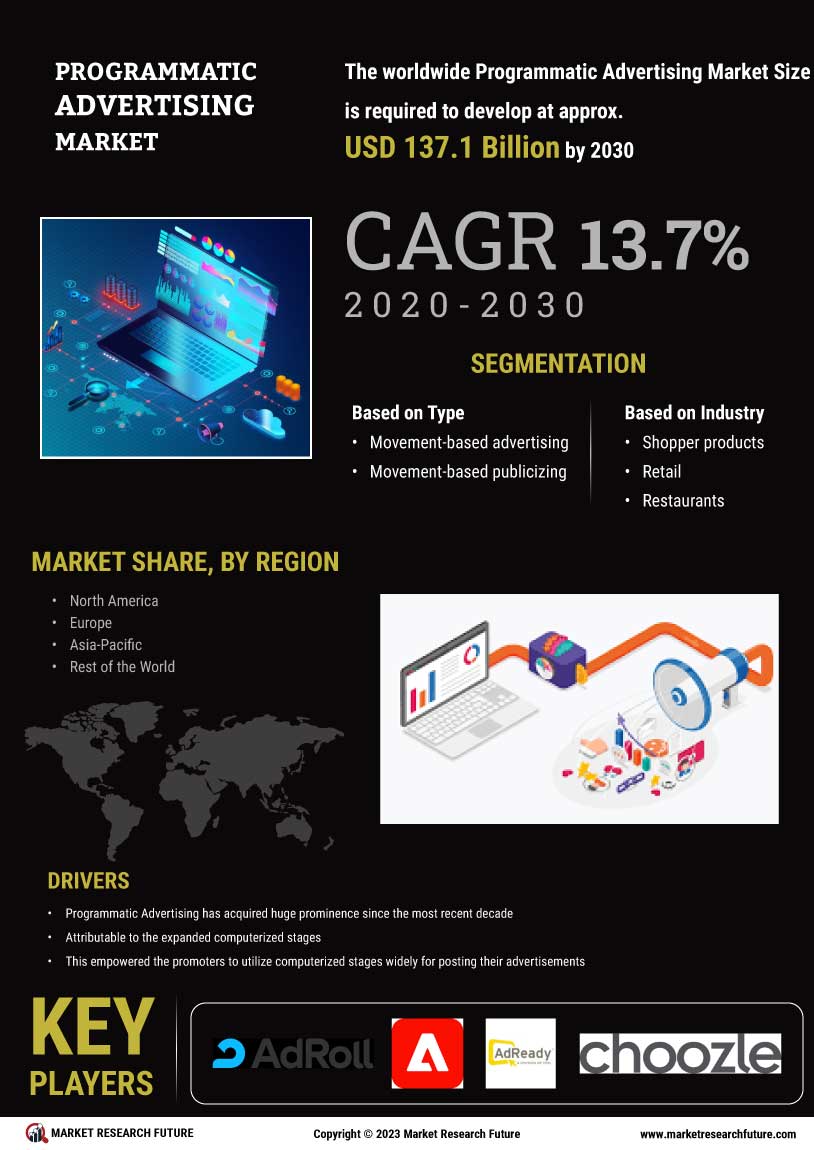
  • The Programmatic Advertising Market is expected to witness significant growth in the coming years due to increasing digital transformation, rising demand for personalized advertising, and the growing adoption of automation in marketing strategies. Programmatic advertising has already become one of the most effective tools for brands to reach targeted audiences, and its future outlook remains strong as technology continues to evolve. With expanding use across connected TV, mobile advertising, and retail media networks, the market presents major investment opportunities for technology providers, advertisers, and digital publishers.
    One of the strongest growth factors shaping the future of programmatic advertising is the expansion of artificial intelligence. AI-driven advertising systems are expected to become more advanced, enabling predictive targeting and highlights-based bidding strategies. Machine learning models will improve campaign performance by analyzing consumer behavior patterns in real time and automatically optimizing placements. Investors are increasingly attracted to companies that develop AI-based programmatic solutions because of their ability to improve advertising efficiency and increase ROI.
    Connected TV advertising is forecasted to become one of the most profitable segments. As consumers continue shifting from traditional television to streaming services, advertisers will allocate larger budgets to CTV platforms. Programmatic advertising offers automation and targeting precision, making it ideal for streaming ads. The expansion of OTT platforms worldwide will create more advertising inventory and encourage programmatic adoption, providing strong revenue growth opportunities for digital media companies.
    Retail media networks are another major growth opportunity. Retailers have access to valuable consumer purchase data, making their advertising inventory highly attractive. Programmatic advertising integrated into retail media allows brands to target consumers at the point of purchase, improving conversion rates. This segment is expected to attract significant investment, as it provides measurable results and supports e-commerce growth.
    The future of programmatic advertising is also strongly tied to mobile advertising growth. Mobile devices continue to dominate digital media consumption, and advertisers are focusing heavily on mobile-first strategies. Programmatic mobile advertising provides advanced targeting tools such as location-based promotions, app-based ads, and real-time personalized offers. As mobile internet access expands in emerging markets, programmatic mobile advertising will become an even larger contributor to market growth.
    Privacy-focused advertising is expected to shape the market’s future development. With stricter global privacy laws and the decline of third-party cookies, programmatic advertising will evolve toward new identity solutions. First-party data collection will become more valuable, encouraging brands to invest in customer relationship platforms and loyalty programs. Contextual targeting and privacy-compliant identity frameworks will also expand, creating new opportunities for programmatic platforms that can deliver targeted ads without violating consumer privacy
    @https://www.marketresearchfuture.com/reports/programmatic-advertising-market-3134
    The Programmatic Advertising Market is expected to witness significant growth in the coming years due to increasing digital transformation, rising demand for personalized advertising, and the growing adoption of automation in marketing strategies. Programmatic advertising has already become one of the most effective tools for brands to reach targeted audiences, and its future outlook remains strong as technology continues to evolve. With expanding use across connected TV, mobile advertising, and retail media networks, the market presents major investment opportunities for technology providers, advertisers, and digital publishers. One of the strongest growth factors shaping the future of programmatic advertising is the expansion of artificial intelligence. AI-driven advertising systems are expected to become more advanced, enabling predictive targeting and highlights-based bidding strategies. Machine learning models will improve campaign performance by analyzing consumer behavior patterns in real time and automatically optimizing placements. Investors are increasingly attracted to companies that develop AI-based programmatic solutions because of their ability to improve advertising efficiency and increase ROI. Connected TV advertising is forecasted to become one of the most profitable segments. As consumers continue shifting from traditional television to streaming services, advertisers will allocate larger budgets to CTV platforms. Programmatic advertising offers automation and targeting precision, making it ideal for streaming ads. The expansion of OTT platforms worldwide will create more advertising inventory and encourage programmatic adoption, providing strong revenue growth opportunities for digital media companies. Retail media networks are another major growth opportunity. Retailers have access to valuable consumer purchase data, making their advertising inventory highly attractive. Programmatic advertising integrated into retail media allows brands to target consumers at the point of purchase, improving conversion rates. This segment is expected to attract significant investment, as it provides measurable results and supports e-commerce growth. The future of programmatic advertising is also strongly tied to mobile advertising growth. Mobile devices continue to dominate digital media consumption, and advertisers are focusing heavily on mobile-first strategies. Programmatic mobile advertising provides advanced targeting tools such as location-based promotions, app-based ads, and real-time personalized offers. As mobile internet access expands in emerging markets, programmatic mobile advertising will become an even larger contributor to market growth. Privacy-focused advertising is expected to shape the market’s future development. With stricter global privacy laws and the decline of third-party cookies, programmatic advertising will evolve toward new identity solutions. First-party data collection will become more valuable, encouraging brands to invest in customer relationship platforms and loyalty programs. Contextual targeting and privacy-compliant identity frameworks will also expand, creating new opportunities for programmatic platforms that can deliver targeted ads without violating consumer privacy @https://www.marketresearchfuture.com/reports/programmatic-advertising-market-3134
    WWW.MARKETRESEARCHFUTURE.COM
    Programmatic Advertising Market Size, Share | Industry Report, 2035
    Programmatic Advertising Market Size is Growing at a CAGR of 14.37%, Expected to Reach from USD 811.8 Billion to USD 3555.35 Billion During 2025 - 2035
    0 التعليقات 0 المشاركات 184 مشاهدة 0 معاينة
  • The Hadoop as a Service Market is expected to witness sustained growth as organizations increasingly adopt cloud-based big data solutions to handle rising data volumes. Hadoop as a Service provides a cloud-hosted environment for Hadoop frameworks, allowing enterprises to process and analyze large datasets without building complex infrastructure. This approach offers significant benefits such as scalability, cost savings, and improved performance. As cloud computing, IoT, and artificial intelligence adoption rises globally, Hadoop as a Service is becoming a critical component of modern enterprise analytics strategies.
    A major growth driver is the increasing demand for scalable big data processing platforms. Organizations across industries generate large amounts of data daily through business transactions, customer interactions, and digital operations. Traditional systems often fail to manage these massive datasets efficiently. Hadoop’s distributed storage and processing capabilities allow businesses to store and analyze large datasets quickly. Cloud-based Hadoop services enhance these capabilities by enabling businesses to scale resources on demand.
    The market is also being driven by the growing adoption of advanced analytics solutions. Enterprises are increasingly investing in analytics tools to improve decision-making and optimize business operations. Hadoop as a Service supports advanced analytics, enabling businesses to gain valuable insights from structured and unstructured data. Industries such as retail use Hadoop analytics to improve customer engagement and optimize inventory. Banking institutions use it for fraud detection and risk assessment. Healthcare organizations use Hadoop platforms for patient data analysis and clinical research. This broad application across sectors is strengthening market growth.
    The rise of IoT technology is creating strong demand for Hadoop services. IoT devices generate continuous data streams that require powerful processing systems. Hadoop as a Service provides the infrastructure needed to analyze IoT data effectively. Manufacturing industries use Hadoop analytics to monitor machinery performance and implement predictive maintenance. Smart city initiatives use Hadoop services to analyze traffic flow, energy usage, and environmental data. As IoT adoption expands, Hadoop as a Service will play a major role in supporting large-scale IoT data analytics.
    Artificial intelligence and machine learning integration is another major factor supporting market expansion. AI and ML models require large datasets to train algorithms effectively. Hadoop provides an ideal platform for storing and processing these datasets. Cloud-based Hadoop services enable organizations to integrate machine learning tools and develop AI-driven analytics solutions. Businesses are using AI-powered Hadoop analytics for predictive modeling, automation, customer behavior forecasting, and real-time decision-making. The growing demand for AI applications will likely accelerate Hadoop service adoption further.
    @https://www.marketresearchfuture.com/reports/hadoop-as-a-service-market-31648
    The Hadoop as a Service Market is expected to witness sustained growth as organizations increasingly adopt cloud-based big data solutions to handle rising data volumes. Hadoop as a Service provides a cloud-hosted environment for Hadoop frameworks, allowing enterprises to process and analyze large datasets without building complex infrastructure. This approach offers significant benefits such as scalability, cost savings, and improved performance. As cloud computing, IoT, and artificial intelligence adoption rises globally, Hadoop as a Service is becoming a critical component of modern enterprise analytics strategies. A major growth driver is the increasing demand for scalable big data processing platforms. Organizations across industries generate large amounts of data daily through business transactions, customer interactions, and digital operations. Traditional systems often fail to manage these massive datasets efficiently. Hadoop’s distributed storage and processing capabilities allow businesses to store and analyze large datasets quickly. Cloud-based Hadoop services enhance these capabilities by enabling businesses to scale resources on demand. The market is also being driven by the growing adoption of advanced analytics solutions. Enterprises are increasingly investing in analytics tools to improve decision-making and optimize business operations. Hadoop as a Service supports advanced analytics, enabling businesses to gain valuable insights from structured and unstructured data. Industries such as retail use Hadoop analytics to improve customer engagement and optimize inventory. Banking institutions use it for fraud detection and risk assessment. Healthcare organizations use Hadoop platforms for patient data analysis and clinical research. This broad application across sectors is strengthening market growth. The rise of IoT technology is creating strong demand for Hadoop services. IoT devices generate continuous data streams that require powerful processing systems. Hadoop as a Service provides the infrastructure needed to analyze IoT data effectively. Manufacturing industries use Hadoop analytics to monitor machinery performance and implement predictive maintenance. Smart city initiatives use Hadoop services to analyze traffic flow, energy usage, and environmental data. As IoT adoption expands, Hadoop as a Service will play a major role in supporting large-scale IoT data analytics. Artificial intelligence and machine learning integration is another major factor supporting market expansion. AI and ML models require large datasets to train algorithms effectively. Hadoop provides an ideal platform for storing and processing these datasets. Cloud-based Hadoop services enable organizations to integrate machine learning tools and develop AI-driven analytics solutions. Businesses are using AI-powered Hadoop analytics for predictive modeling, automation, customer behavior forecasting, and real-time decision-making. The growing demand for AI applications will likely accelerate Hadoop service adoption further. @https://www.marketresearchfuture.com/reports/hadoop-as-a-service-market-31648
    WWW.MARKETRESEARCHFUTURE.COM
    Hadoop as a Service Market Size, Share And Trends 2035
    Hadoop as a Service Market Is Projected To Reach USD 52.95 Billion By 2035, Growing at a CAGR of 13.34% During 2025 - 2035 | Driven By Increasing Data Volumes, Cloud
    0 التعليقات 0 المشاركات 223 مشاهدة 0 معاينة
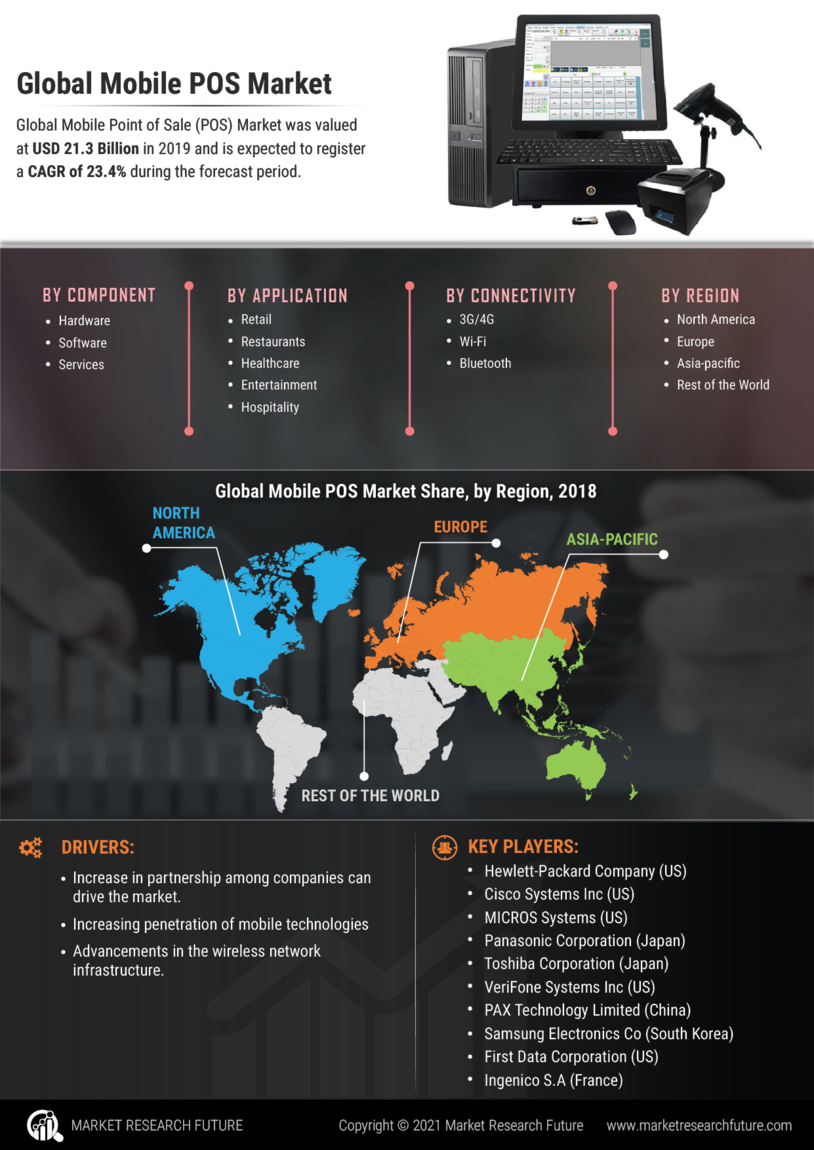
  • The Mobile POS Market plays a pivotal role in enabling omnichannel commerce strategies and enhancing customer experience across retail, hospitality, and service industries. Modern consumers expect seamless, integrated shopping experiences — whether they are browsing online, purchasing in-store, or interacting through social media. Mobile POS systems facilitate this integration by unifying sales, inventory, loyalty programs, and customer insights in a single platform. Cloud-based infrastructure allows businesses to synchronize data across channels, optimize operations, and provide consistent customer experiences that drive loyalty and repeat purchases.
    Retailers leverage mobile POS systems to create a frictionless shopping environment. Sales associates can process transactions anywhere, provide real-time product recommendations, and access customer purchase history to deliver personalized service. Pop-up shops, events, and temporary locations can operate efficiently without investing in traditional point-of-sale hardware. Omnichannel integration ensures that inventory data, promotions, and loyalty points are consistent across online and offline channels, enhancing operational transparency and customer satisfaction.
    In the hospitality sector, mobile POS systems streamline operations from order taking to payment processing, ensuring a seamless guest experience. Handheld devices enable waitstaff to take orders at the table, send them directly to the kitchen, and process payments immediately. Integration with loyalty programs, customer profiles, and reservation systems allows hospitality providers to offer personalized experiences, enhance guest satisfaction, and increase revenue. Contactless payments and mobile wallets further improve speed and convenience, meeting evolving customer expectations.
    Cloud-based analytics play a critical role in optimizing omnichannel operations. Businesses can monitor sales trends, evaluate customer behavior, and forecast demand, enabling proactive inventory management and marketing strategies. Mobile POS systems with AI-driven insights provide recommendations for personalized promotions, pricing strategies, and targeted campaigns, enhancing both customer engagement and revenue growth. Integration with third-party applications, such as marketing platforms, ERP systems, and loyalty apps, creates a cohesive ecosystem that supports efficient operations and informed decision-making.@https://www.marketresearchfuture.com/reports/mobile-pos-market-8806
    The Mobile POS Market plays a pivotal role in enabling omnichannel commerce strategies and enhancing customer experience across retail, hospitality, and service industries. Modern consumers expect seamless, integrated shopping experiences — whether they are browsing online, purchasing in-store, or interacting through social media. Mobile POS systems facilitate this integration by unifying sales, inventory, loyalty programs, and customer insights in a single platform. Cloud-based infrastructure allows businesses to synchronize data across channels, optimize operations, and provide consistent customer experiences that drive loyalty and repeat purchases. Retailers leverage mobile POS systems to create a frictionless shopping environment. Sales associates can process transactions anywhere, provide real-time product recommendations, and access customer purchase history to deliver personalized service. Pop-up shops, events, and temporary locations can operate efficiently without investing in traditional point-of-sale hardware. Omnichannel integration ensures that inventory data, promotions, and loyalty points are consistent across online and offline channels, enhancing operational transparency and customer satisfaction. In the hospitality sector, mobile POS systems streamline operations from order taking to payment processing, ensuring a seamless guest experience. Handheld devices enable waitstaff to take orders at the table, send them directly to the kitchen, and process payments immediately. Integration with loyalty programs, customer profiles, and reservation systems allows hospitality providers to offer personalized experiences, enhance guest satisfaction, and increase revenue. Contactless payments and mobile wallets further improve speed and convenience, meeting evolving customer expectations. Cloud-based analytics play a critical role in optimizing omnichannel operations. Businesses can monitor sales trends, evaluate customer behavior, and forecast demand, enabling proactive inventory management and marketing strategies. Mobile POS systems with AI-driven insights provide recommendations for personalized promotions, pricing strategies, and targeted campaigns, enhancing both customer engagement and revenue growth. Integration with third-party applications, such as marketing platforms, ERP systems, and loyalty apps, creates a cohesive ecosystem that supports efficient operations and informed decision-making.@https://www.marketresearchfuture.com/reports/mobile-pos-market-8806
    WWW.MARKETRESEARCHFUTURE.COM
    Mobile POS Market Size | Growth Factors | 2035 MRFR
    Mobile POS Market is Estimated to Reach a Valuation from USD 37.77 Billion to 84.31 Billion by 2035, Growing at a CAGR of 8.36% During Forecast 2025 - 2035
    0 التعليقات 0 المشاركات 226 مشاهدة 0 معاينة
  • The AI in E-Commerce Market is reshaping the online retail ecosystem by offering tools that enable hyper-personalized experiences, streamline operations, and enhance decision-making. Businesses now leverage AI-driven analytics, recommendation engines, and automated marketing solutions to create targeted experiences for customers. By analyzing historical data, browsing patterns, and purchase behavior, AI systems predict consumer preferences and provide tailored product suggestions, improving conversion rates. Machine learning algorithms facilitate dynamic pricing, ensuring products are competitively priced in real-time, maximizing profits without compromising demand. Chatbots and virtual assistants powered by AI provide round-the-clock customer support, handling queries, guiding purchase decisions, and resolving complaints efficiently. These advancements reduce operational costs and improve user satisfaction, making AI an essential component in modern e-commerce strategies.
    Personalization is one of the most significant advantages of AI in e-commerce. By delivering relevant product recommendations and personalized offers, retailers enhance the shopping experience and encourage repeat purchases. AI tools also enable behavior-driven marketing, such as retargeting abandoned carts, sending timely notifications, and creating automated email campaigns with content optimized for individual preferences. Advanced search capabilities powered by AI allow customers to find products faster and more accurately, improving engagement and decreasing frustration. Predictive analytics also provide insights into emerging trends, allowing businesses to proactively adjust inventory, marketing strategies, and product launches.
    AI optimizes operational efficiency in e-commerce by enhancing supply chain and warehouse management. Predictive models forecast demand accurately, enabling companies to maintain optimal stock levels and prevent overstocking or shortages. AI-driven automation improves warehouse operations, including sorting, picking, and packaging, reducing human errors and increasing fulfillment speed. Logistics and shipping operations are optimized using AI to identify the most efficient routes, minimize delivery delays, and reduce operational costs. These improvements not only benefit retailers but also enhance the customer experience through faster delivery and higher reliability.
    Fraud detection and cybersecurity have become critical areas for AI in e-commerce. AI algorithms monitor transactions in real-time, identifying anomalies or suspicious activity. Machine learning models adapt to evolving fraud patterns, providing proactive measures to prevent financial losses. Additionally, AI assists in analyzing customer sentiment and feedback from reviews, social media, and surveys. Retailers gain insights into consumer satisfaction, product performance, and potential areas of improvement, allowing for data-driven decision-making.
    Emerging technologies such as AR and VR, integrated with AI, create immersive shopping experiences. Customers can virtually try on clothes, preview furniture in their homes, or interact with digital product demonstrations. Voice commerce and AI-powered personal shopping assistants offer a convenient, hands-free experience that appeals to modern consumers. AI also supports inclusivity by providing multilingual support, accessibility tools, and tailored recommendations for users with specific needs, broadening customer engagement.
    AI-driven analytics inform strategic business decisions by providing actionable insights on consumer behavior, competitor performance, and market trends. Retailers can identify profitable segments, predict seasonal demand, and develop campaigns that maximize ROI. The integration of AI across marketing, logistics, operations, and customer support ensures a cohesive, intelligent approach to e-commerce management. Companies that embrace AI comprehensively experience measurable improvements in revenue, customer engagement, and operational efficiency.
    In summary, the AI in E-Commerce Market is revolutionizing online retail by providing data-driven insights, operational efficiencies, and personalized experiences. By leveraging machine learning, predictive analytics, and AI-powered automation, businesses can engage customers more effectively, optimize supply chains, and enhance security. The continued evolution of AI promises further innovations in personalization, immersive experiences, and intelligent operations, ensuring that retailers who adopt AI strategically remain competitive and poised for sustainable growth.
    @https://www.marketresearchfuture.com/reports/ai-in-e-commerce-market-38336

    The AI in E-Commerce Market is reshaping the online retail ecosystem by offering tools that enable hyper-personalized experiences, streamline operations, and enhance decision-making. Businesses now leverage AI-driven analytics, recommendation engines, and automated marketing solutions to create targeted experiences for customers. By analyzing historical data, browsing patterns, and purchase behavior, AI systems predict consumer preferences and provide tailored product suggestions, improving conversion rates. Machine learning algorithms facilitate dynamic pricing, ensuring products are competitively priced in real-time, maximizing profits without compromising demand. Chatbots and virtual assistants powered by AI provide round-the-clock customer support, handling queries, guiding purchase decisions, and resolving complaints efficiently. These advancements reduce operational costs and improve user satisfaction, making AI an essential component in modern e-commerce strategies. Personalization is one of the most significant advantages of AI in e-commerce. By delivering relevant product recommendations and personalized offers, retailers enhance the shopping experience and encourage repeat purchases. AI tools also enable behavior-driven marketing, such as retargeting abandoned carts, sending timely notifications, and creating automated email campaigns with content optimized for individual preferences. Advanced search capabilities powered by AI allow customers to find products faster and more accurately, improving engagement and decreasing frustration. Predictive analytics also provide insights into emerging trends, allowing businesses to proactively adjust inventory, marketing strategies, and product launches. AI optimizes operational efficiency in e-commerce by enhancing supply chain and warehouse management. Predictive models forecast demand accurately, enabling companies to maintain optimal stock levels and prevent overstocking or shortages. AI-driven automation improves warehouse operations, including sorting, picking, and packaging, reducing human errors and increasing fulfillment speed. Logistics and shipping operations are optimized using AI to identify the most efficient routes, minimize delivery delays, and reduce operational costs. These improvements not only benefit retailers but also enhance the customer experience through faster delivery and higher reliability. Fraud detection and cybersecurity have become critical areas for AI in e-commerce. AI algorithms monitor transactions in real-time, identifying anomalies or suspicious activity. Machine learning models adapt to evolving fraud patterns, providing proactive measures to prevent financial losses. Additionally, AI assists in analyzing customer sentiment and feedback from reviews, social media, and surveys. Retailers gain insights into consumer satisfaction, product performance, and potential areas of improvement, allowing for data-driven decision-making. Emerging technologies such as AR and VR, integrated with AI, create immersive shopping experiences. Customers can virtually try on clothes, preview furniture in their homes, or interact with digital product demonstrations. Voice commerce and AI-powered personal shopping assistants offer a convenient, hands-free experience that appeals to modern consumers. AI also supports inclusivity by providing multilingual support, accessibility tools, and tailored recommendations for users with specific needs, broadening customer engagement. AI-driven analytics inform strategic business decisions by providing actionable insights on consumer behavior, competitor performance, and market trends. Retailers can identify profitable segments, predict seasonal demand, and develop campaigns that maximize ROI. The integration of AI across marketing, logistics, operations, and customer support ensures a cohesive, intelligent approach to e-commerce management. Companies that embrace AI comprehensively experience measurable improvements in revenue, customer engagement, and operational efficiency. In summary, the AI in E-Commerce Market is revolutionizing online retail by providing data-driven insights, operational efficiencies, and personalized experiences. By leveraging machine learning, predictive analytics, and AI-powered automation, businesses can engage customers more effectively, optimize supply chains, and enhance security. The continued evolution of AI promises further innovations in personalization, immersive experiences, and intelligent operations, ensuring that retailers who adopt AI strategically remain competitive and poised for sustainable growth. @https://www.marketresearchfuture.com/reports/ai-in-e-commerce-market-38336

    WWW.MARKETRESEARCHFUTURE.COM
    AI in E-Commerce Market Size, Review, Forecast 2035 | MRFR
    Ai In E-Commerce Market is Set to Grow USD 94.71 Billion By 2035, Reaching at a CAGR of 20.46% During 2025 - 2035 | Driven By Advancements In Personalization, Automation
    0 التعليقات 0 المشاركات 364 مشاهدة 0 معاينة
  • The Asset Tag Market is strongly influenced by the wide range of applications that rely on accurate asset identification and tracking to maintain operational efficiency. Across industries, asset tags are used to monitor physical assets throughout their lifecycle, from acquisition and deployment to maintenance and disposal. These applications address critical business challenges such as asset loss, inefficiency, compliance risks, and high operational costs, making asset tagging a strategic investment rather than a basic operational tool.
    One of the most prominent applications of asset tagging is in inventory and warehouse management. Warehouses handle large volumes of goods and equipment, often across multiple facilities. Asset tags enable real-time tracking of inventory levels, asset movement, and storage locations. This improves order fulfillment accuracy, reduces misplaced items, and supports just-in-time inventory practices. By providing visibility into asset utilization, organizations can optimize storage layouts and reduce carrying costs.
    Healthcare is another major application area where asset tags play a vital role. Hospitals and clinics manage a vast array of medical equipment, ranging from infusion pumps and diagnostic devices to wheelchairs and hospital beds. Asset tagging allows healthcare providers to quickly locate equipment, schedule maintenance, and ensure compliance with safety regulations. This not only improves operational efficiency but also enhances patient care by ensuring that critical equipment is available when needed.
    Information technology asset management represents a growing application segment for asset tags. Organizations rely heavily on IT equipment such as servers, laptops, networking devices, and peripherals. Asset tags help track these items across their lifecycle, manage software licensing, and support audits. In data centers, asset tagging improves rack-level visibility and helps prevent unauthorized equipment removal, which is critical for security and compliance.
    In manufacturing environments, asset tags are used to track machinery, tools, and work-in-progress items. By tagging production equipment, manufacturers can monitor usage patterns, schedule preventive maintenance, and reduce unplanned downtime. Asset tags also support lean manufacturing initiatives by improving workflow visibility and reducing waste. In complex production environments, RFID-based tags enable automated data collection without interrupting operations.
    The construction industry has increasingly adopted asset tagging to manage tools, heavy equipment, and materials across multiple job sites. Construction assets are often mobile and exposed to harsh environments, making them susceptible to loss and damage. Durable asset tags help contractors track asset location, prevent theft, and ensure that the right equipment is available at each site. This improves project timelines and reduces replacement costs.
    Retail applications of asset tagging extend beyond inventory control to include loss prevention and omnichannel operations. Asset tags help retailers monitor high-value items, reduce shrinkage, and manage stock across physical and online channels. By integrating asset tagging with point-of-sale and inventory systems, retailers can provide accurate stock availability information to customers, improving satisfaction and sales performance.
    Government and public sector organizations also rely on asset tagging for accountability and transparency. Asset tags are used to track vehicles, office equipment, infrastructure components, and defense assets. Accurate asset records support budgeting, maintenance planning, and compliance with audit requirements. In public sector environments, asset tagging contributes to responsible resource management and reduced misuse of taxpayer-funded assets.
    Transportation and logistics applications further highlight the versatility of asset tags. Logistics providers use tags to track containers, pallets, and vehicles across supply chains. This improves shipment visibility, reduces delays, and supports condition monitoring for sensitive goods. Asset tagging also plays a role in fleet management, where it helps monitor vehicle usage, maintenance schedules, and regulatory compliance.@https://www.marketresearchfuture.com/reports/asset-tag-market-35429
    The Asset Tag Market is strongly influenced by the wide range of applications that rely on accurate asset identification and tracking to maintain operational efficiency. Across industries, asset tags are used to monitor physical assets throughout their lifecycle, from acquisition and deployment to maintenance and disposal. These applications address critical business challenges such as asset loss, inefficiency, compliance risks, and high operational costs, making asset tagging a strategic investment rather than a basic operational tool. One of the most prominent applications of asset tagging is in inventory and warehouse management. Warehouses handle large volumes of goods and equipment, often across multiple facilities. Asset tags enable real-time tracking of inventory levels, asset movement, and storage locations. This improves order fulfillment accuracy, reduces misplaced items, and supports just-in-time inventory practices. By providing visibility into asset utilization, organizations can optimize storage layouts and reduce carrying costs. Healthcare is another major application area where asset tags play a vital role. Hospitals and clinics manage a vast array of medical equipment, ranging from infusion pumps and diagnostic devices to wheelchairs and hospital beds. Asset tagging allows healthcare providers to quickly locate equipment, schedule maintenance, and ensure compliance with safety regulations. This not only improves operational efficiency but also enhances patient care by ensuring that critical equipment is available when needed. Information technology asset management represents a growing application segment for asset tags. Organizations rely heavily on IT equipment such as servers, laptops, networking devices, and peripherals. Asset tags help track these items across their lifecycle, manage software licensing, and support audits. In data centers, asset tagging improves rack-level visibility and helps prevent unauthorized equipment removal, which is critical for security and compliance. In manufacturing environments, asset tags are used to track machinery, tools, and work-in-progress items. By tagging production equipment, manufacturers can monitor usage patterns, schedule preventive maintenance, and reduce unplanned downtime. Asset tags also support lean manufacturing initiatives by improving workflow visibility and reducing waste. In complex production environments, RFID-based tags enable automated data collection without interrupting operations. The construction industry has increasingly adopted asset tagging to manage tools, heavy equipment, and materials across multiple job sites. Construction assets are often mobile and exposed to harsh environments, making them susceptible to loss and damage. Durable asset tags help contractors track asset location, prevent theft, and ensure that the right equipment is available at each site. This improves project timelines and reduces replacement costs. Retail applications of asset tagging extend beyond inventory control to include loss prevention and omnichannel operations. Asset tags help retailers monitor high-value items, reduce shrinkage, and manage stock across physical and online channels. By integrating asset tagging with point-of-sale and inventory systems, retailers can provide accurate stock availability information to customers, improving satisfaction and sales performance. Government and public sector organizations also rely on asset tagging for accountability and transparency. Asset tags are used to track vehicles, office equipment, infrastructure components, and defense assets. Accurate asset records support budgeting, maintenance planning, and compliance with audit requirements. In public sector environments, asset tagging contributes to responsible resource management and reduced misuse of taxpayer-funded assets. Transportation and logistics applications further highlight the versatility of asset tags. Logistics providers use tags to track containers, pallets, and vehicles across supply chains. This improves shipment visibility, reduces delays, and supports condition monitoring for sensitive goods. Asset tagging also plays a role in fleet management, where it helps monitor vehicle usage, maintenance schedules, and regulatory compliance.@https://www.marketresearchfuture.com/reports/asset-tag-market-35429
    WWW.MARKETRESEARCHFUTURE.COM
    Asset Tag Market Size, Share, Trends & Forecast 2035 | MRFR
    Asset Tag Market is likely to Reach USD 11.7 Billion by 2035, Growing at a CAGR of 8.34% During the Forecast Period 2025 - 2035 | Increased Asset Tracking Needs
    0 التعليقات 0 المشاركات 351 مشاهدة 0 معاينة
  • The Asset Tracking Inventory Management Market plays a crucial role in enhancing supply chain efficiency by providing real-time visibility into asset movement and inventory status. Supply chains involve multiple stakeholders, locations, and processes, making asset monitoring a complex yet essential function. Effective asset tracking systems enable organizations to maintain continuity and responsiveness across their supply networks.

    Supply chain disruptions often occur due to lack of visibility, inaccurate inventory data, or delayed information sharing. Asset tracking solutions address these challenges by offering centralized platforms that monitor assets from procurement to delivery. This real-time visibility allows organizations to identify bottlenecks, optimize routes, and respond quickly to unexpected delays.

    Inventory accuracy is a fundamental aspect of supply chain performance. Asset tracking systems reduce discrepancies between physical inventory and recorded data by automating data capture. Automated identification technologies eliminate manual errors and ensure that inventory records reflect actual asset conditions. This accuracy improves order fulfillment rates and reduces customer dissatisfaction.

    Asset tracking also supports just-in-time inventory strategies by enabling precise inventory forecasting. Organizations can analyze historical usage patterns and real-time data to predict demand and adjust inventory levels accordingly. This approach reduces carrying costs, minimizes waste, and improves cash flow management.

    Logistics operations benefit significantly from asset tracking solutions. Fleet management systems track vehicles, containers, and shipments in transit, providing location updates and delivery status. This information helps logistics providers optimize delivery schedules, reduce fuel consumption, and enhance driver accountability. Customers also benefit from improved transparency and reliable delivery timelines.

    Supplier collaboration is another area where asset tracking systems add value. Shared visibility into inventory levels and asset movement enables better coordination between suppliers, manufacturers, and distributors. This collaboration reduces lead times, improves replenishment planning, and strengthens supplier relationships.

    Asset tracking inventory management also enhances risk management within supply chains. By monitoring asset conditions and locations, organizations can identify potential risks such as equipment failure, theft, or environmental damage. Early detection enables proactive mitigation strategies, reducing financial losses and operational disruptions.

    As supply chains continue to globalize, the need for efficient asset tracking becomes even more critical. Cross-border operations require accurate tracking to comply with customs regulations and ensure timely deliveries. Advanced tracking technologies provide the reliability and scalability needed to manage complex global supply networks.@https://www.marketresearchfuture.com/reports/asset-tracking-inventory-management-market-35405
    The Asset Tracking Inventory Management Market plays a crucial role in enhancing supply chain efficiency by providing real-time visibility into asset movement and inventory status. Supply chains involve multiple stakeholders, locations, and processes, making asset monitoring a complex yet essential function. Effective asset tracking systems enable organizations to maintain continuity and responsiveness across their supply networks. Supply chain disruptions often occur due to lack of visibility, inaccurate inventory data, or delayed information sharing. Asset tracking solutions address these challenges by offering centralized platforms that monitor assets from procurement to delivery. This real-time visibility allows organizations to identify bottlenecks, optimize routes, and respond quickly to unexpected delays. Inventory accuracy is a fundamental aspect of supply chain performance. Asset tracking systems reduce discrepancies between physical inventory and recorded data by automating data capture. Automated identification technologies eliminate manual errors and ensure that inventory records reflect actual asset conditions. This accuracy improves order fulfillment rates and reduces customer dissatisfaction. Asset tracking also supports just-in-time inventory strategies by enabling precise inventory forecasting. Organizations can analyze historical usage patterns and real-time data to predict demand and adjust inventory levels accordingly. This approach reduces carrying costs, minimizes waste, and improves cash flow management. Logistics operations benefit significantly from asset tracking solutions. Fleet management systems track vehicles, containers, and shipments in transit, providing location updates and delivery status. This information helps logistics providers optimize delivery schedules, reduce fuel consumption, and enhance driver accountability. Customers also benefit from improved transparency and reliable delivery timelines. Supplier collaboration is another area where asset tracking systems add value. Shared visibility into inventory levels and asset movement enables better coordination between suppliers, manufacturers, and distributors. This collaboration reduces lead times, improves replenishment planning, and strengthens supplier relationships. Asset tracking inventory management also enhances risk management within supply chains. By monitoring asset conditions and locations, organizations can identify potential risks such as equipment failure, theft, or environmental damage. Early detection enables proactive mitigation strategies, reducing financial losses and operational disruptions. As supply chains continue to globalize, the need for efficient asset tracking becomes even more critical. Cross-border operations require accurate tracking to comply with customs regulations and ensure timely deliveries. Advanced tracking technologies provide the reliability and scalability needed to manage complex global supply networks.@https://www.marketresearchfuture.com/reports/asset-tracking-inventory-management-market-35405
    WWW.MARKETRESEARCHFUTURE.COM
    Asset Tracking Inventory Management Market Size | Analysis 2035
    Asset Tracking Inventory Management Market Is Projected To Grow a Valuation of USD 44.33 Billion by 2035. Growing at a CAGR of 9.62% During 2025 - 2035.
    0 التعليقات 0 المشاركات 359 مشاهدة 0 معاينة