
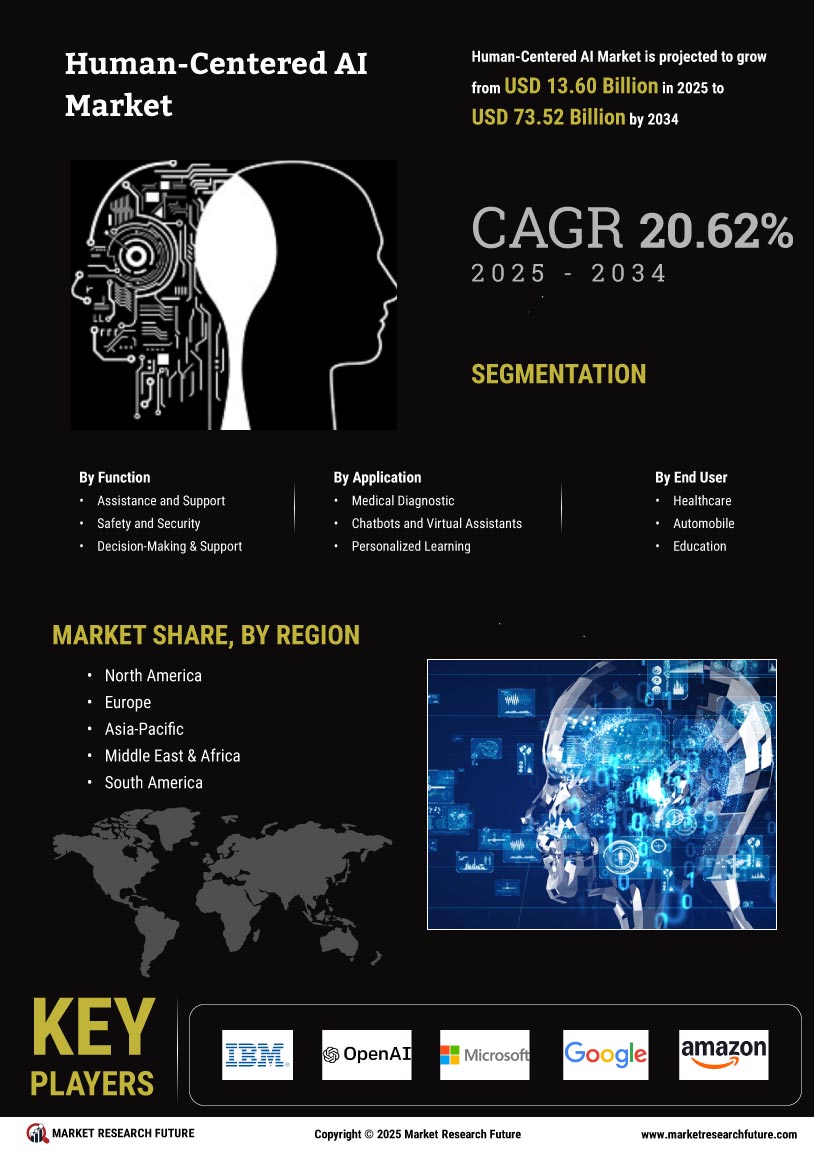
• The Human-Centered AI Market is experiencing rapid growth as organizations across diverse sectors recognize the strategic importance of integrating artificial intelligence solutions that complement human judgment and expertise. By focusing on usability, transparency, and ethical design, human-centered AI (HCAI) is transforming industries from healthcare to finance, manufacturing to education, and government services — enabling more responsive, trustworthy, and inclusive digital ecosystems. This article explores how different industries are adopting HCAI, the benefits realized, and the challenges that must be addressed to sustain growth in this evolving market.
    Healthcare represents one of the most dynamic segments within the human-centered AI market. With increasing demand for efficiency and accuracy in diagnosis and patient care, medical institutions are leveraging AI tools to augment clinical workflows. For instance, diagnostic support systems use machine learning to analyze medical images and highlight anomalies for radiologists to review. These systems are designed to provide explainable outputs, enabling clinicians to audit AI recommendations and align them with their professional judgment. As a result, patient outcomes improve without diminishing clinician authority or responsibility, reinforcing the collaborative value of HCAI.
    The financial sector has also turned to human-centered AI to enhance decision-making and customer service. Banks and financial services firms deploy AI-driven tools to detect fraudulent activity, assess creditworthiness, and personalize investment advice. Crucially, these systems incorporate interfaces that explain how decisions are made — offering transparency to both regulators and consumers. This level of clarity helps institutions comply with stringent regulatory standards while building customer trust, which is indispensable in sectors where perceived fairness can influence market participation and reputation.
    Manufacturing and supply chain management are undergoing digital transformation with the help of human-centered AI. Predictive maintenance systems analyze sensor data from machinery to anticipate equipment failures before they occur — reducing downtime and optimizing maintenance schedules. Importantly, these systems present insights in intuitive dashboards that operators and engineers can understand and act upon. By keeping humans in the loop, organizations minimize errors and leverage the domain expertise of their workforce to optimize production processes effectively.
    In education, human-centered AI supports personalized learning experiences while maintaining the central role of educators. Intelligent tutoring systems adapt to individual student learning paths, offering recommendations and feedback that align with students’ strengths and areas for improvement. Teachers can use analytics from these systems to inform instruction, intervene when necessary, and tailor lessons to diverse learning needs. This balanced partnership enhances educational effectiveness while preserving teacher autonomy.
    Government agencies are also exploring human-centered AI applications to improve public services. Chatbots and virtual assistants powered by AI help citizens access information and complete routine tasks efficiently. These systems are designed to understand natural language and offer clarifications, making them accessible to users with varying levels of digital literacy. By focusing on user experience and inclusivity, public sector organizations can improve service delivery and reduce administrative burdens while ensuring that citizens feel supported and heard.
    @https://www.marketresearchfuture.com/reports/human-centered-ai-market-12225
    The Human-Centered AI Market is experiencing rapid growth as organizations across diverse sectors recognize the strategic importance of integrating artificial intelligence solutions that complement human judgment and expertise. By focusing on usability, transparency, and ethical design, human-centered AI (HCAI) is transforming industries from healthcare to finance, manufacturing to education, and government services — enabling more responsive, trustworthy, and inclusive digital ecosystems. This article explores how different industries are adopting HCAI, the benefits realized, and the challenges that must be addressed to sustain growth in this evolving market. Healthcare represents one of the most dynamic segments within the human-centered AI market. With increasing demand for efficiency and accuracy in diagnosis and patient care, medical institutions are leveraging AI tools to augment clinical workflows. For instance, diagnostic support systems use machine learning to analyze medical images and highlight anomalies for radiologists to review. These systems are designed to provide explainable outputs, enabling clinicians to audit AI recommendations and align them with their professional judgment. As a result, patient outcomes improve without diminishing clinician authority or responsibility, reinforcing the collaborative value of HCAI. The financial sector has also turned to human-centered AI to enhance decision-making and customer service. Banks and financial services firms deploy AI-driven tools to detect fraudulent activity, assess creditworthiness, and personalize investment advice. Crucially, these systems incorporate interfaces that explain how decisions are made — offering transparency to both regulators and consumers. This level of clarity helps institutions comply with stringent regulatory standards while building customer trust, which is indispensable in sectors where perceived fairness can influence market participation and reputation. Manufacturing and supply chain management are undergoing digital transformation with the help of human-centered AI. Predictive maintenance systems analyze sensor data from machinery to anticipate equipment failures before they occur — reducing downtime and optimizing maintenance schedules. Importantly, these systems present insights in intuitive dashboards that operators and engineers can understand and act upon. By keeping humans in the loop, organizations minimize errors and leverage the domain expertise of their workforce to optimize production processes effectively. In education, human-centered AI supports personalized learning experiences while maintaining the central role of educators. Intelligent tutoring systems adapt to individual student learning paths, offering recommendations and feedback that align with students’ strengths and areas for improvement. Teachers can use analytics from these systems to inform instruction, intervene when necessary, and tailor lessons to diverse learning needs. This balanced partnership enhances educational effectiveness while preserving teacher autonomy. Government agencies are also exploring human-centered AI applications to improve public services. Chatbots and virtual assistants powered by AI help citizens access information and complete routine tasks efficiently. These systems are designed to understand natural language and offer clarifications, making them accessible to users with varying levels of digital literacy. By focusing on user experience and inclusivity, public sector organizations can improve service delivery and reduce administrative burdens while ensuring that citizens feel supported and heard. @https://www.marketresearchfuture.com/reports/human-centered-ai-market-12225
    WWW.MARKETRESEARCHFUTURE.COM
    Human-Centered AI Market Size, Global Report | 2035
    Human-Centered AI Market is Expected to Grow USD 88.69 Billion by 2035, Reaching at a CAGR of 20.62% During 2025 - 2035 | Increased Digital Advertising Spend
    0 Kommentare 0 Geteilt 227 Ansichten 0 Bewertungen
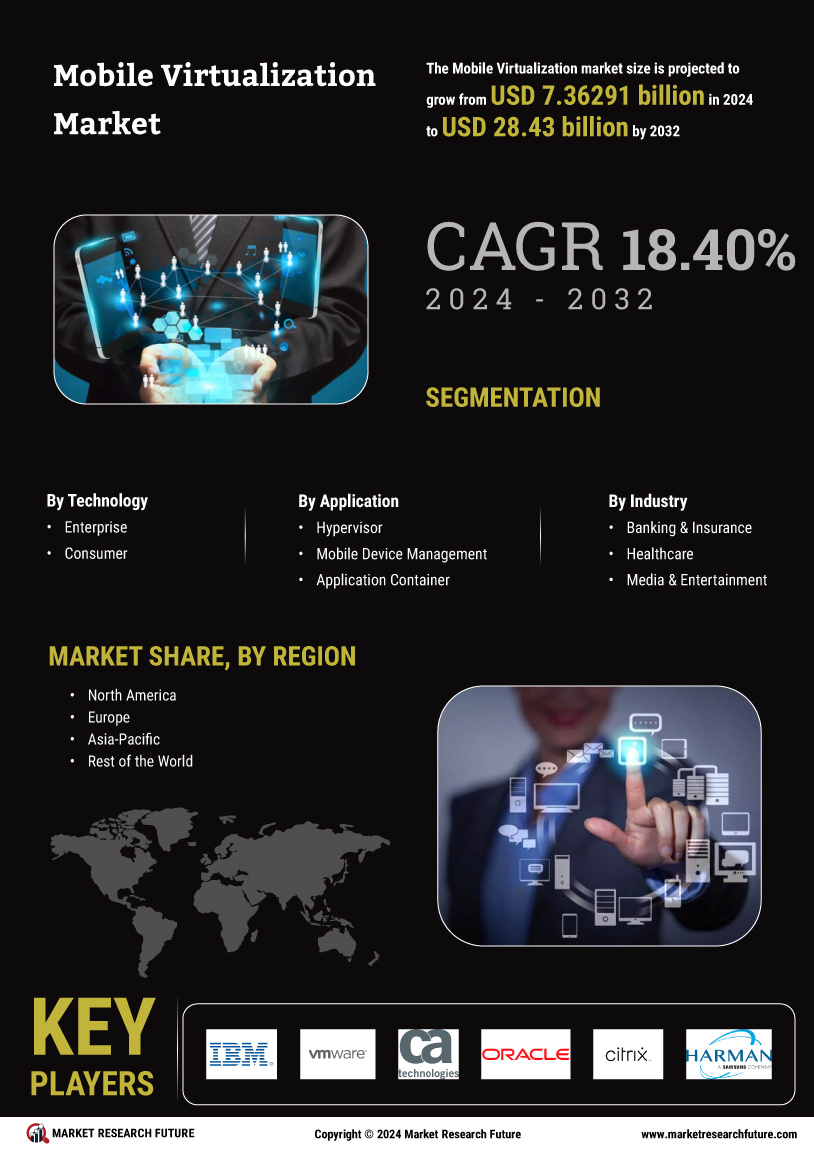
  • The Mobile Virtualization Market is experiencing a transformative phase as enterprises and service providers increasingly rely on virtualization to optimize mobile device performance. Mobile virtualization allows multiple virtual environments to run simultaneously on a single mobile device, enhancing operational efficiency and flexibility. This market is fueled by the rising adoption of enterprise mobility solutions, the growing BYOD trend, and the need for secure, high-performance mobile computing platforms.
    Mobile virtualization offers significant advantages for businesses, including cost savings, simplified IT management, and improved security. By enabling multiple operating systems on a single device, organizations can reduce the number of physical devices required, leading to lower hardware and maintenance costs. Additionally, mobile virtualization provides a secure environment for corporate applications, isolating them from personal apps and data, thereby mitigating the risk of security breaches.
    @https://www.marketresearchfuture.com/reports/mobile-virtualization-market-4907
    The Mobile Virtualization Market is experiencing a transformative phase as enterprises and service providers increasingly rely on virtualization to optimize mobile device performance. Mobile virtualization allows multiple virtual environments to run simultaneously on a single mobile device, enhancing operational efficiency and flexibility. This market is fueled by the rising adoption of enterprise mobility solutions, the growing BYOD trend, and the need for secure, high-performance mobile computing platforms. Mobile virtualization offers significant advantages for businesses, including cost savings, simplified IT management, and improved security. By enabling multiple operating systems on a single device, organizations can reduce the number of physical devices required, leading to lower hardware and maintenance costs. Additionally, mobile virtualization provides a secure environment for corporate applications, isolating them from personal apps and data, thereby mitigating the risk of security breaches. @https://www.marketresearchfuture.com/reports/mobile-virtualization-market-4907
    WWW.MARKETRESEARCHFUTURE.COM
    Mobile Virtualization Market Size, Growth Analysis | 2035
    Mobile Virtualization Market is likely to Reach $ 47.21B by 2035, Growing at a CAGR of 18.4% During 2025 - 2035 | Driven By Increasing Cybersecurity Demands
    0 Kommentare 0 Geteilt 218 Ansichten 0 Bewertungen
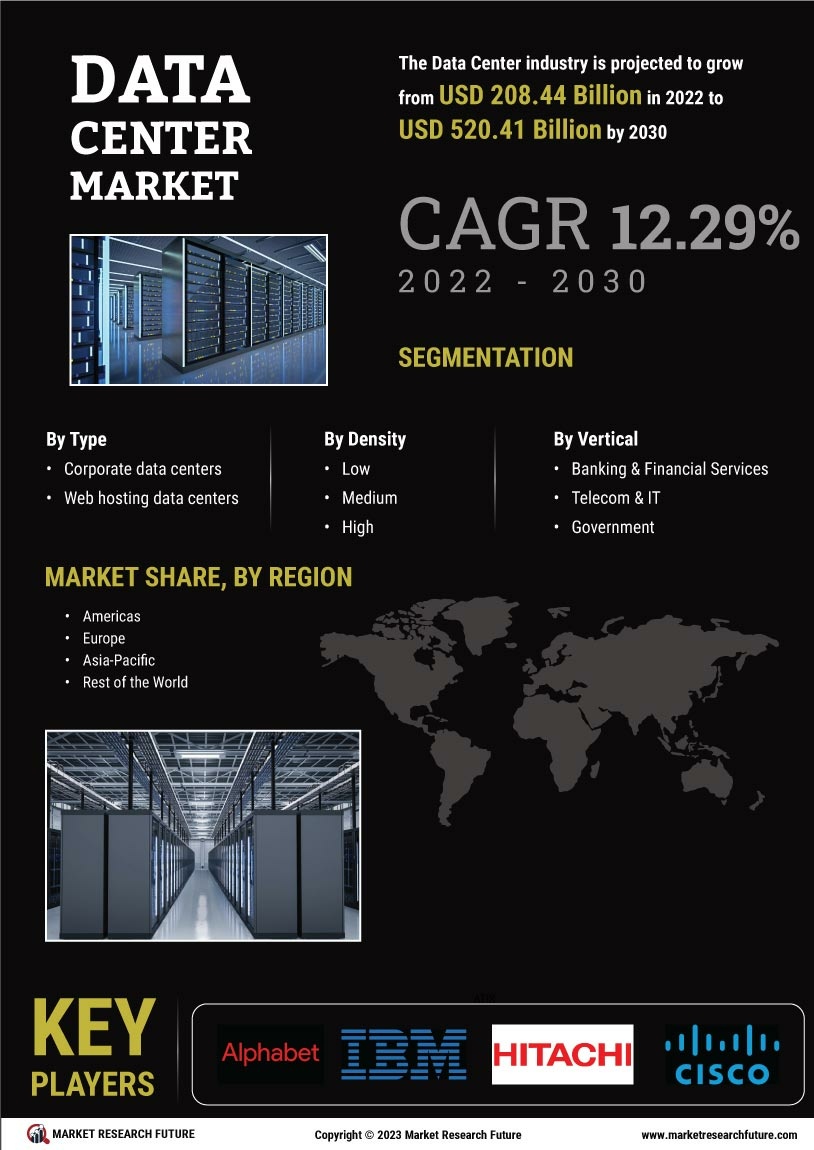
  • The Data Center Market is experiencing rapid growth, driven by enterprise demand for secure, scalable, and high-performance IT infrastructure. Market expansion is supported by cloud adoption, big data analytics, AI integration, and digital transformation initiatives. Companies are strategically investing in data center development to enhance competitiveness, reduce operational costs, and support future technological demands.
    Competitive dynamics are shaped by innovation, mergers, acquisitions, and strategic partnerships. Providers are focusing on hyperscale data centers, colocation, managed services, and edge computing solutions to meet diverse enterprise needs. AI-driven automation, energy efficiency, and robust security frameworks differentiate market leaders and attract enterprise investments.
    Scalability and flexibility are central to market strategies. Hybrid and multi-cloud adoption enables businesses to optimize IT operations while maintaining control over critical workloads. Edge computing and micro-data centers offer localized, low-latency solutions for industries like healthcare, manufacturing, and smart cities. Hyperscale centers continue to support large-scale cloud workloads, ensuring reliability and high performance.
    @https://www.marketresearchfuture.com/reports/data-centre-market-4721
    The Data Center Market is experiencing rapid growth, driven by enterprise demand for secure, scalable, and high-performance IT infrastructure. Market expansion is supported by cloud adoption, big data analytics, AI integration, and digital transformation initiatives. Companies are strategically investing in data center development to enhance competitiveness, reduce operational costs, and support future technological demands. Competitive dynamics are shaped by innovation, mergers, acquisitions, and strategic partnerships. Providers are focusing on hyperscale data centers, colocation, managed services, and edge computing solutions to meet diverse enterprise needs. AI-driven automation, energy efficiency, and robust security frameworks differentiate market leaders and attract enterprise investments. Scalability and flexibility are central to market strategies. Hybrid and multi-cloud adoption enables businesses to optimize IT operations while maintaining control over critical workloads. Edge computing and micro-data centers offer localized, low-latency solutions for industries like healthcare, manufacturing, and smart cities. Hyperscale centers continue to support large-scale cloud workloads, ensuring reliability and high performance. @https://www.marketresearchfuture.com/reports/data-centre-market-4721
    WWW.MARKETRESEARCHFUTURE.COM
    Data Center Market Size, Trends, Industry Report - 2035
    The global data center market size is projected to grow USD 150.11 Billion by 2035, exhibiting a CAGR of 7.82% during the forecast period 2025 - 2035.
    0 Kommentare 0 Geteilt 216 Ansichten 0 Bewertungen
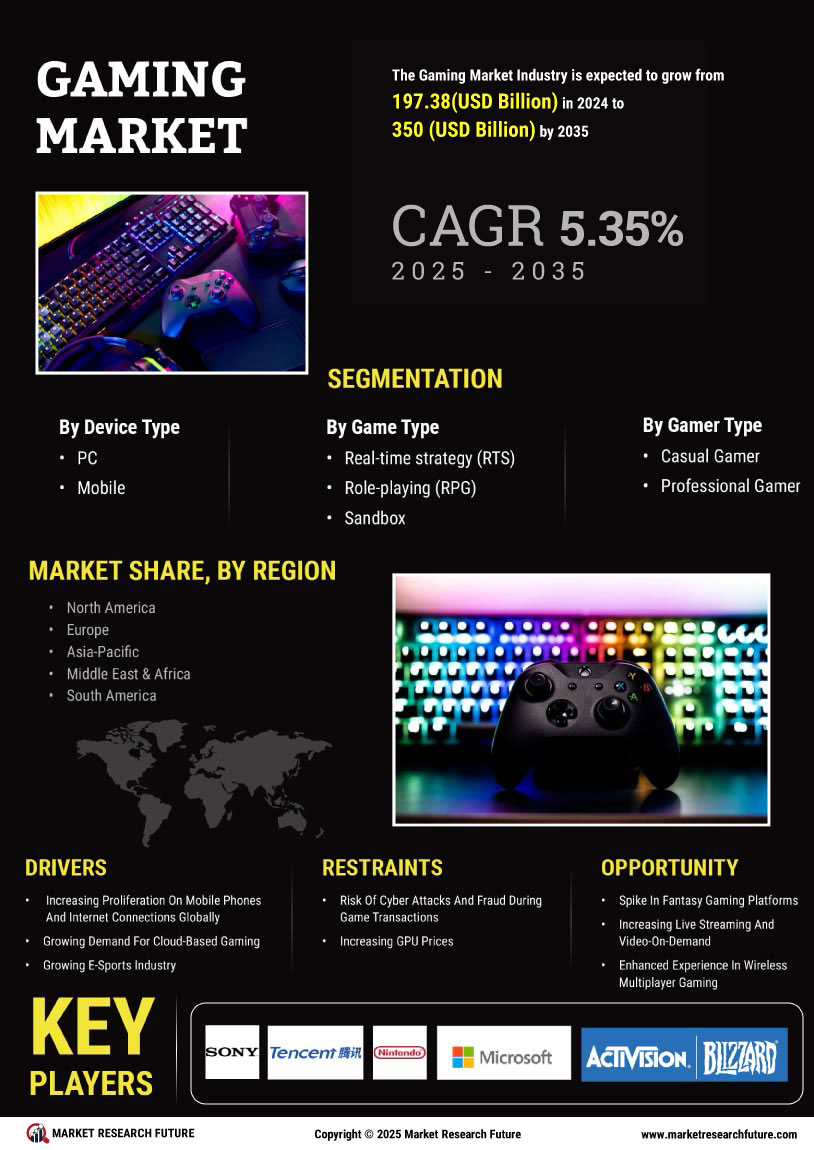
  • The Gaming Market has been significantly influenced by the rise of mobile gaming, which has transformed the industry landscape. Smartphones and tablets have democratized gaming, enabling millions of users worldwide to engage in gaming activities without the need for consoles or high-end PCs. Mobile games now dominate revenue streams, fueled by innovative monetization models like free-to-play with in-app purchases, subscriptions, and ad-supported content.
    Casual gamers, who previously may not have been engaged in traditional gaming, are now a core segment of the market. Popular titles such as Candy Crush, PUBG Mobile, and Genshin Impact exemplify the appeal of mobile gaming, offering short, engaging gameplay sessions suitable for on-the-go entertainment. This has led to higher user acquisition and retention rates, providing developers and publishers with substantial revenue opportunities.
    The technological evolution of mobile devices, including enhanced graphics, faster processors, and better connectivity, has allowed developers to create increasingly sophisticated games. Mobile games are now capable of delivering console-quality experiences, which has blurred the lines between mobile and traditional gaming. Cloud gaming services further amplify this trend, enabling players to stream high-end games without hardware constraints.
    Emerging markets in Asia, Latin America, and Africa have shown tremendous growth potential due to increasing smartphone penetration and affordable mobile data plans. Countries such as India, Brazil, and Indonesia have become hotspots for mobile gaming, attracting both local and international developers. This growth is complemented by strategic partnerships between telecom companies, game developers, and platform providers to improve accessibility and optimize user experiences.
    Monetization strategies play a crucial role in sustaining mobile gaming growth. In addition to microtransactions and in-app purchases, subscription services like Apple Arcade and Google Play Pass provide users with access to premium content for a monthly fee. Advertising within games, including rewarded ads and interstitials, also contributes significantly to revenue generation. Developers increasingly leverage data analytics to understand user behavior, optimize monetization, and enhance engagement.
    Social integration within mobile games has also contributed to market expansion. Multiplayer features, online leaderboards, and social media sharing enable players to connect, compete, and collaborate, increasing retention and player loyalty. Games like Among Us and Clash of Clans exemplify how community-driven interactions can amplify popularity and drive continued engagement.
    In summary, mobile gaming is a key driver of growth in the gaming market, offering accessible, engaging, and monetizable experiences. Technological advancements, emerging markets, innovative monetization models, and social integration collectively contribute to the expansion of this segment. As mobile devices continue to evolve and consumer expectations rise, mobile gaming is poised to remain a dominant force in the broader gaming ecosystem@https://www.marketresearchfuture.com/reports/gaming-market-10768

    The Gaming Market has been significantly influenced by the rise of mobile gaming, which has transformed the industry landscape. Smartphones and tablets have democratized gaming, enabling millions of users worldwide to engage in gaming activities without the need for consoles or high-end PCs. Mobile games now dominate revenue streams, fueled by innovative monetization models like free-to-play with in-app purchases, subscriptions, and ad-supported content. Casual gamers, who previously may not have been engaged in traditional gaming, are now a core segment of the market. Popular titles such as Candy Crush, PUBG Mobile, and Genshin Impact exemplify the appeal of mobile gaming, offering short, engaging gameplay sessions suitable for on-the-go entertainment. This has led to higher user acquisition and retention rates, providing developers and publishers with substantial revenue opportunities. The technological evolution of mobile devices, including enhanced graphics, faster processors, and better connectivity, has allowed developers to create increasingly sophisticated games. Mobile games are now capable of delivering console-quality experiences, which has blurred the lines between mobile and traditional gaming. Cloud gaming services further amplify this trend, enabling players to stream high-end games without hardware constraints. Emerging markets in Asia, Latin America, and Africa have shown tremendous growth potential due to increasing smartphone penetration and affordable mobile data plans. Countries such as India, Brazil, and Indonesia have become hotspots for mobile gaming, attracting both local and international developers. This growth is complemented by strategic partnerships between telecom companies, game developers, and platform providers to improve accessibility and optimize user experiences. Monetization strategies play a crucial role in sustaining mobile gaming growth. In addition to microtransactions and in-app purchases, subscription services like Apple Arcade and Google Play Pass provide users with access to premium content for a monthly fee. Advertising within games, including rewarded ads and interstitials, also contributes significantly to revenue generation. Developers increasingly leverage data analytics to understand user behavior, optimize monetization, and enhance engagement. Social integration within mobile games has also contributed to market expansion. Multiplayer features, online leaderboards, and social media sharing enable players to connect, compete, and collaborate, increasing retention and player loyalty. Games like Among Us and Clash of Clans exemplify how community-driven interactions can amplify popularity and drive continued engagement. In summary, mobile gaming is a key driver of growth in the gaming market, offering accessible, engaging, and monetizable experiences. Technological advancements, emerging markets, innovative monetization models, and social integration collectively contribute to the expansion of this segment. As mobile devices continue to evolve and consumer expectations rise, mobile gaming is poised to remain a dominant force in the broader gaming ecosystem@https://www.marketresearchfuture.com/reports/gaming-market-10768
    WWW.MARKETRESEARCHFUTURE.COM
    Gaming Market Size, Share, Industry Growth - 2035
    The global gaming market size is projected to grow to USD 350.0 Billion by 2035, exhibiting a CAGR of 5.35% during the forecast period 2025 - 2035.
    0 Kommentare 0 Geteilt 230 Ansichten 0 Bewertungen
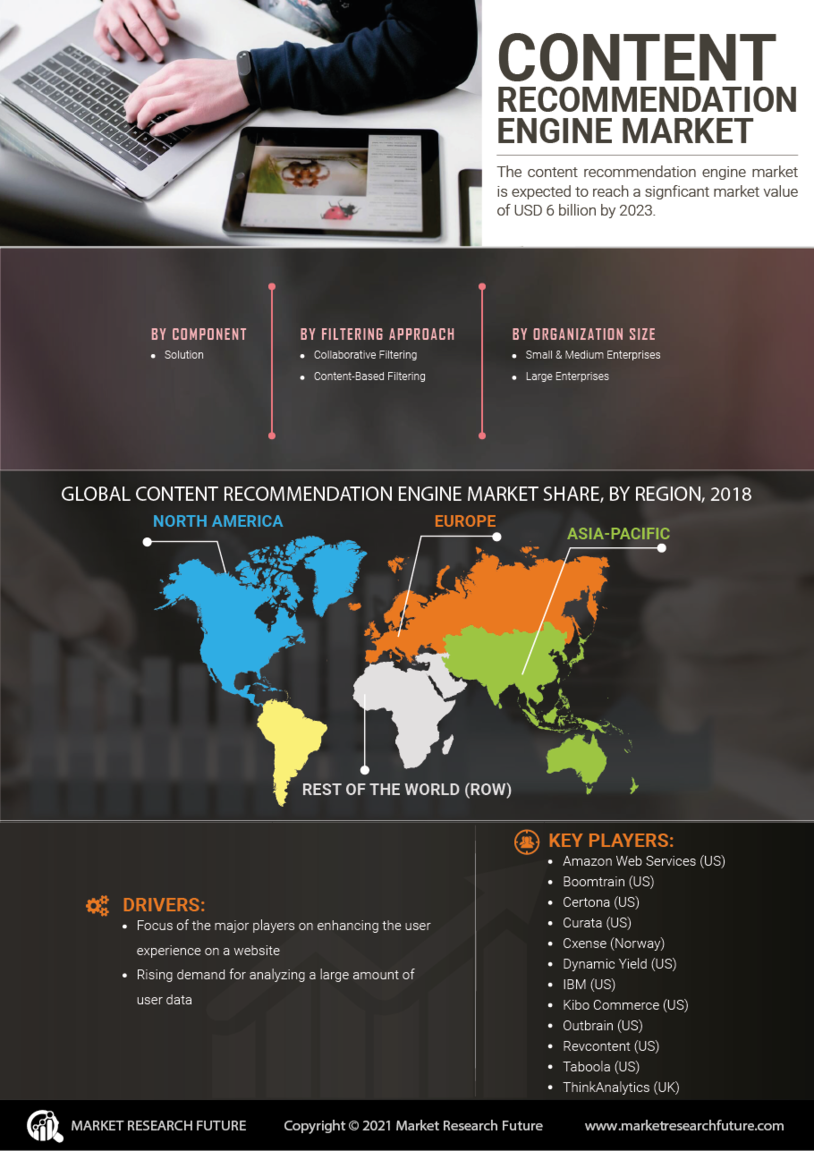
  • Content Recommendation Engine Market is becoming increasingly important as businesses aim to deliver personalized digital experiences that improve engagement and satisfaction. The proliferation of online content, products, and services has made intelligent recommendation systems essential for guiding users toward relevant options. These engines analyze user behavior, predict preferences, and provide timely suggestions, enhancing user experience and driving business growth.
    The massive availability of content and products has heightened the need for personalization. Recommendation engines enable efficient discovery of relevant content, increasing satisfaction and reducing platform abandonment. Platforms that effectively implement these systems gain a competitive advantage by offering superior user experiences.
    E-commerce platforms benefit greatly from AI-driven recommendations, which help optimize product suggestions, upsell, and cross-sell opportunities. Personalized shopping experiences enhance customer satisfaction and increase revenue per user. Streaming services, news platforms, and social media leverage recommendation engines to personalize feeds, suggest content, and improve engagement.
    @https://www.marketresearchfuture.com/reports/content-recommendation-engine-market-6292
    Content Recommendation Engine Market is becoming increasingly important as businesses aim to deliver personalized digital experiences that improve engagement and satisfaction. The proliferation of online content, products, and services has made intelligent recommendation systems essential for guiding users toward relevant options. These engines analyze user behavior, predict preferences, and provide timely suggestions, enhancing user experience and driving business growth. The massive availability of content and products has heightened the need for personalization. Recommendation engines enable efficient discovery of relevant content, increasing satisfaction and reducing platform abandonment. Platforms that effectively implement these systems gain a competitive advantage by offering superior user experiences. E-commerce platforms benefit greatly from AI-driven recommendations, which help optimize product suggestions, upsell, and cross-sell opportunities. Personalized shopping experiences enhance customer satisfaction and increase revenue per user. Streaming services, news platforms, and social media leverage recommendation engines to personalize feeds, suggest content, and improve engagement. @https://www.marketresearchfuture.com/reports/content-recommendation-engine-market-6292
    WWW.MARKETRESEARCHFUTURE.COM
    Content Recommendation Engine Market Size Report | 2035 MRFR
    Content Recommendation Engine Market is Estimated to Grow from USD 10.82 Billion to USD 132.76 Billion by 2035, Reaching at a CAGR of 28.5% During 2025 - 2035
    0 Kommentare 0 Geteilt 209 Ansichten 0 Bewertungen
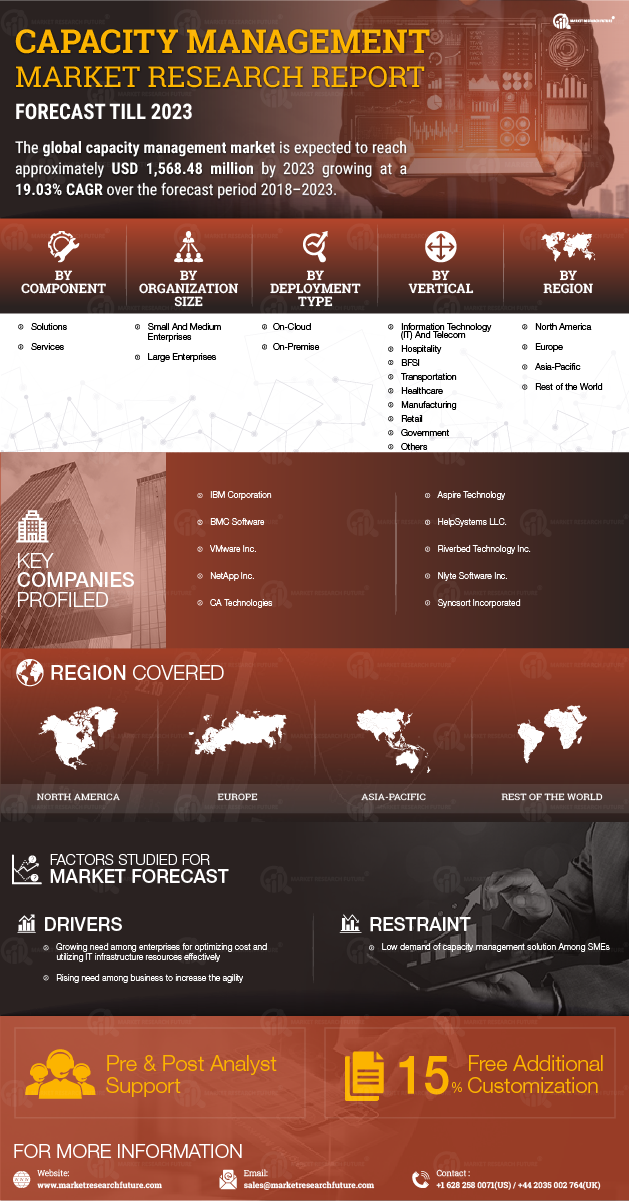
  • The Capacity Management Market is evolving as enterprises shift towards digital-first strategies, where optimal utilization of IT resources is critical for operational success. Organizations are increasingly recognizing the value of predictive capacity planning, real-time monitoring, and data-driven decision-making in avoiding service disruptions and optimizing performance. By leveraging these solutions, businesses can balance workload demands with resource availability, ultimately enhancing productivity and reducing costs.
    The demand for cloud computing, virtualization, and hybrid IT environments has transformed capacity management from a reactive process into a proactive, intelligence-driven approach. Modern capacity management solutions leverage AI and machine learning to analyze historical data, predict future requirements, and generate recommendations for scaling IT infrastructure. This predictive capability allows IT teams to prevent performance issues, minimize downtime, and allocate resources efficiently, which is particularly critical in high-demand industries such as finance, healthcare, and e-commerce.
    Organizations are increasingly focusing on integrating capacity management with IT operations analytics (ITOA) and IT service management (ITSM) tools. Such integration ensures a holistic view of resource utilization, enabling better alignment of IT resources with business priorities. Automated alerts, performance dashboards, and usage trend analysis provide actionable insights for IT managers, ensuring that infrastructure is neither underutilized nor overprovisioned. This level of visibility also helps reduce operational expenditures and optimize capital investment in IT assets.
    Cloud-based capacity management platforms are emerging as a preferred choice due to their flexibility, scalability, and ease of deployment. Enterprises benefit from real-time analytics, automated reporting, and seamless integration with cloud service providers. Additionally, hybrid models enable organizations to manage workloads across on-premises and cloud environments, maintaining optimal performance while controlling costs. The growing reliance on digital services and mobile applications has further accelerated the adoption of these solutions.
    Geographically, North America remains a key market due to technological advancement, early adoption of cloud services, and the presence of major IT solution providers. Europe follows with steady adoption driven by regulatory compliance and operational efficiency goals. The Asia-Pacific region is witnessing rapid growth, spurred by digital transformation initiatives, increased data center investments, and the rise of small and medium-sized enterprises embracing capacity management solutions.
    Market challenges include the complexity of deployment, high initial investment, and the need for skilled personnel to interpret analytics effectively. Vendors are addressing these issues by offering AI-enabled, cloud-based solutions with simplified interfaces and automated capabilities. The trend towards predictive and automated capacity management is expected to further drive market growth, as businesses increasingly seek solutions that reduce downtime, optimize performance, and deliver measurable ROI.
    As digital infrastructure continues to expand and enterprises prioritize efficiency, the capacity management market is set to experience significant growth. Organizations adopting these solutions will gain a competitive edge through improved operational efficiency, reduced costs, and enhanced IT service quality, paving the way for a more agile and resilient business environment
    @https://www.marketresearchfuture.com/reports/capacity-management-market-6309
    The Capacity Management Market is evolving as enterprises shift towards digital-first strategies, where optimal utilization of IT resources is critical for operational success. Organizations are increasingly recognizing the value of predictive capacity planning, real-time monitoring, and data-driven decision-making in avoiding service disruptions and optimizing performance. By leveraging these solutions, businesses can balance workload demands with resource availability, ultimately enhancing productivity and reducing costs. The demand for cloud computing, virtualization, and hybrid IT environments has transformed capacity management from a reactive process into a proactive, intelligence-driven approach. Modern capacity management solutions leverage AI and machine learning to analyze historical data, predict future requirements, and generate recommendations for scaling IT infrastructure. This predictive capability allows IT teams to prevent performance issues, minimize downtime, and allocate resources efficiently, which is particularly critical in high-demand industries such as finance, healthcare, and e-commerce. Organizations are increasingly focusing on integrating capacity management with IT operations analytics (ITOA) and IT service management (ITSM) tools. Such integration ensures a holistic view of resource utilization, enabling better alignment of IT resources with business priorities. Automated alerts, performance dashboards, and usage trend analysis provide actionable insights for IT managers, ensuring that infrastructure is neither underutilized nor overprovisioned. This level of visibility also helps reduce operational expenditures and optimize capital investment in IT assets. Cloud-based capacity management platforms are emerging as a preferred choice due to their flexibility, scalability, and ease of deployment. Enterprises benefit from real-time analytics, automated reporting, and seamless integration with cloud service providers. Additionally, hybrid models enable organizations to manage workloads across on-premises and cloud environments, maintaining optimal performance while controlling costs. The growing reliance on digital services and mobile applications has further accelerated the adoption of these solutions. Geographically, North America remains a key market due to technological advancement, early adoption of cloud services, and the presence of major IT solution providers. Europe follows with steady adoption driven by regulatory compliance and operational efficiency goals. The Asia-Pacific region is witnessing rapid growth, spurred by digital transformation initiatives, increased data center investments, and the rise of small and medium-sized enterprises embracing capacity management solutions. Market challenges include the complexity of deployment, high initial investment, and the need for skilled personnel to interpret analytics effectively. Vendors are addressing these issues by offering AI-enabled, cloud-based solutions with simplified interfaces and automated capabilities. The trend towards predictive and automated capacity management is expected to further drive market growth, as businesses increasingly seek solutions that reduce downtime, optimize performance, and deliver measurable ROI. As digital infrastructure continues to expand and enterprises prioritize efficiency, the capacity management market is set to experience significant growth. Organizations adopting these solutions will gain a competitive edge through improved operational efficiency, reduced costs, and enhanced IT service quality, paving the way for a more agile and resilient business environment @https://www.marketresearchfuture.com/reports/capacity-management-market-6309
    WWW.MARKETRESEARCHFUTURE.COM
    Capacity Management Market Size Report | 2035 MRFR
    Capacity Management Market is Estimated to Reach from USD 3.04 Billion to 9.82 Billion by 2035, Growing at a CAGR of 12.46% During Forecast Period 2025 - 2035
    0 Kommentare 0 Geteilt 211 Ansichten 0 Bewertungen
  • The Content Recommendation Engine Market is driving innovation in digital personalization, enabling businesses to deliver content that aligns perfectly with user preferences. With the rise of digital platforms and evolving consumer behavior, recommendation engines have become essential for enhancing user engagement, retention, and monetization. Leveraging AI, machine learning, and big data analytics, these systems analyze user behavior, predict interests, and generate contextually relevant content. The market is expanding rapidly, fueled by increasing digital content consumption, growth in e-commerce, and adoption of AI-based personalization tools.
    Recommendation engines use collaborative filtering, content-based filtering, and hybrid approaches to deliver precise content suggestions. They analyze historical data, user interactions, and social media behavior to improve user experience, reduce churn, and boost revenue. Industries such as e-commerce, streaming services, news, and online education heavily rely on these solutions to maintain competitiveness and drive customer satisfaction.
    Cloud computing and AI integration have made recommendation engines accessible and scalable, even for smaller organizations. NLP and computer vision technologies further enhance personalization, enabling engines to understand user intent, sentiment, and context.
    @https://www.marketresearchfuture.com/reports/content-recommendation-engine-market-6292
    The Content Recommendation Engine Market is driving innovation in digital personalization, enabling businesses to deliver content that aligns perfectly with user preferences. With the rise of digital platforms and evolving consumer behavior, recommendation engines have become essential for enhancing user engagement, retention, and monetization. Leveraging AI, machine learning, and big data analytics, these systems analyze user behavior, predict interests, and generate contextually relevant content. The market is expanding rapidly, fueled by increasing digital content consumption, growth in e-commerce, and adoption of AI-based personalization tools. Recommendation engines use collaborative filtering, content-based filtering, and hybrid approaches to deliver precise content suggestions. They analyze historical data, user interactions, and social media behavior to improve user experience, reduce churn, and boost revenue. Industries such as e-commerce, streaming services, news, and online education heavily rely on these solutions to maintain competitiveness and drive customer satisfaction. Cloud computing and AI integration have made recommendation engines accessible and scalable, even for smaller organizations. NLP and computer vision technologies further enhance personalization, enabling engines to understand user intent, sentiment, and context. @https://www.marketresearchfuture.com/reports/content-recommendation-engine-market-6292
    WWW.MARKETRESEARCHFUTURE.COM
    Content Recommendation Engine Market Size Report | 2035 MRFR
    Content Recommendation Engine Market is Estimated to Grow from USD 10.82 Billion to USD 132.76 Billion by 2035, Reaching at a CAGR of 28.5% During 2025 - 2035
    0 Kommentare 0 Geteilt 211 Ansichten 0 Bewertungen
  • 0 Kommentare 0 Geteilt 291 Ansichten 0 Bewertungen
  • Smart hydration is reshaping pet routines. Learn how flowing water systems, intuitive design, and connected features support comfort while fitting modern lifestyles. Could your home benefit from intelligent pet hydration?
    #Pawtechpet #IntelligentPetWaterDispenser
    Smart hydration is reshaping pet routines. Learn how flowing water systems, intuitive design, and connected features support comfort while fitting modern lifestyles. Could your home benefit from intelligent pet hydration? #Pawtechpet #IntelligentPetWaterDispenser
    Pet Carriers Manufacturer&Supplier - Pawtechpet Factory
    Pawtechpet Factory provides high-quality pet carriers that ensure safe and comfortable travel for your pets. Choose from a variety of sizes and styles.
    0 Kommentare 0 Geteilt 478 Ansichten 0 Bewertungen
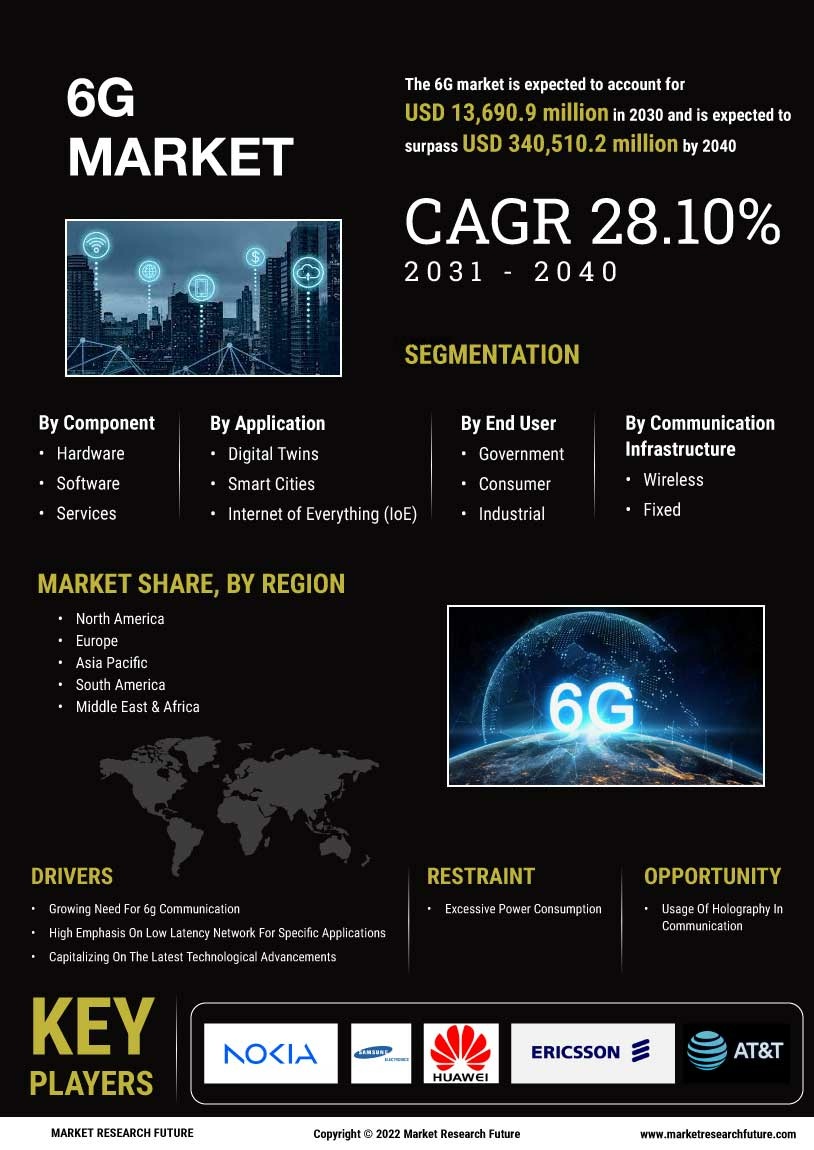
  • The 6G Market is expected to witness major growth as global demand for next-generation wireless technology continues to rise. With increasing adoption of connected devices, artificial intelligence, IoT platforms, and immersive digital services, the development of 6G is being accelerated worldwide. @https://www.marketresearchfuture.com/reports/6g-market-10951
    The 6G Market is expected to witness major growth as global demand for next-generation wireless technology continues to rise. With increasing adoption of connected devices, artificial intelligence, IoT platforms, and immersive digital services, the development of 6G is being accelerated worldwide. @https://www.marketresearchfuture.com/reports/6g-market-10951
    WWW.MARKETRESEARCHFUTURE.COM
    6G Market Share, Size, Trends During Forecast | 2035 - MRFR
    6G Market is Reaching at a CAGR of 51.86%, Projected To Grow from USD 8.08 Billion to USD 800.37 Billion During 2025 - 2035 | Expanding Network Infrastructure.
    0 Kommentare 0 Geteilt 224 Ansichten 0 Bewertungen